Product1 publisher2 min readPublished
Choosing Work over Chat in paid ChatGPT spends more quota on OpenAI's top models
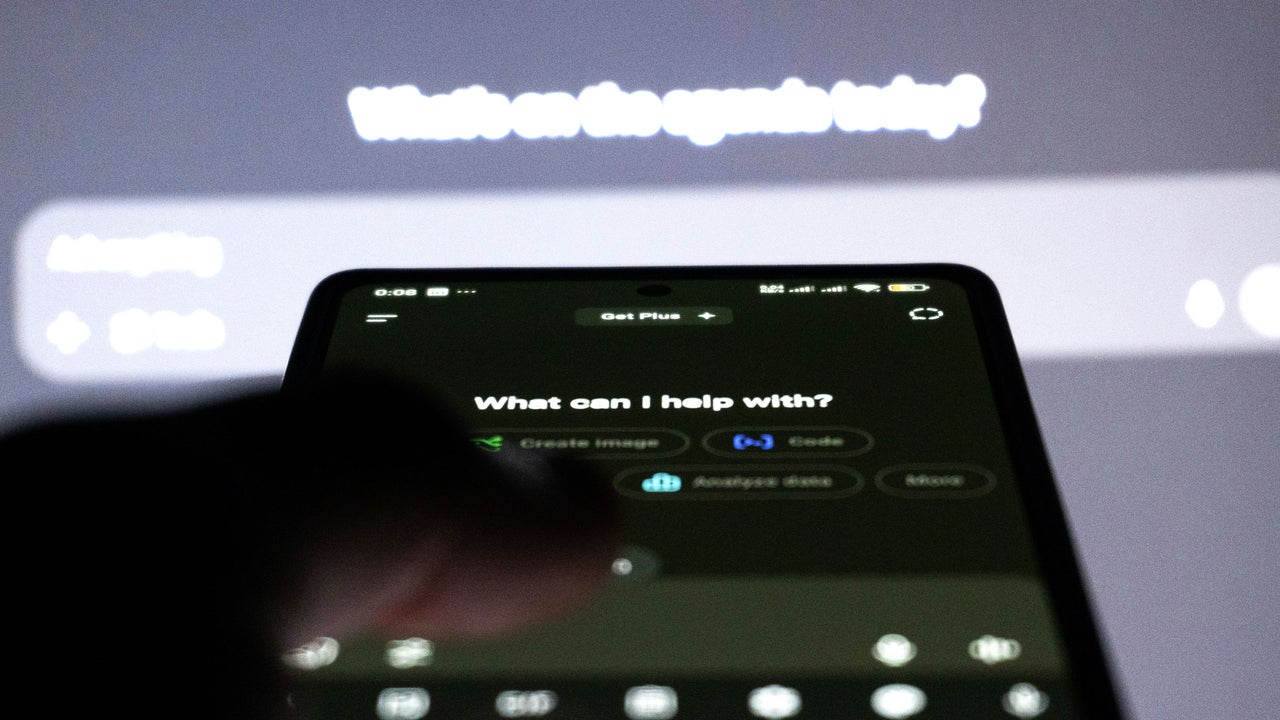
OpenAI now requires paid ChatGPT users to choose between Chat and Work modes, according to a Fast Company writer who uses both heavily. The choice decides whether a team gets links to act on or a finished file, and how fast it spends its usage quota.
The Product Desk · Product desk
What happened
- Chat mode is built for research and brainstorming and tends to point users toward resources such as articles and deals instead of doing the task itself.
- Outgoing links in Chat mode carry UTM tracking parameters that show third-party sites a click came from ChatGPT. The writer takes that to mean OpenAI expects the user to act next.
- Given the same YouTube channel data, Chat brainstormed video ideas while Work produced a PDF report with graphs titled "MONTHLY CONTENT PERFORMANCE AUDIT."
- Chat often runs slightly less powerful versions of OpenAI's frontier models, uses quota more slowly than Work and tends to answer simple questions faster.
Compiled by The Product DeskSomething wrong?How this is made
Why it matters
- cost A team that leaves everyone in Work for everyday questions pays top-model quota and longer waits on answers Chat would return sooner.
- decision Whoever writes the rollout guide now has to define which requests count as deliverables, because that line decides both the mode and the quota spend.
- exposure Research done in Chat sends tagged clicks, so the vendors and competitors a team looks up can see the visit arrived through ChatGPT.
A baker wants ideas for new kinds of Kouign-amann and, in the same sitting, a purchase order for flour. In paid ChatGPT those now belong to different modes, Chat for the ideas and Work for the PO, according to a Fast Company writer who describes being a heavy, perhaps addicted, user [13][17]. The writer warns that the wrong setting can derail a project, or at least cost you some of ChatGPT's most powerful functions [2].
In Chat, that user asks whether phones are allowed during jury duty, and whether a raccoon pooped in the garage [16]. The writer makes the call once, on sitting down, by asking whether the session should produce information or something tangible [14].
People notice the personality change first. The writer found Work "far more gruff and business-like" and Chat more collaborative and friendly [8][3]. The part a budget owner cares about sits underneath. Work typically runs OpenAI's most advanced models and thinks longer before answering, and the writer warns it can use up a usage quota very quickly [10][12]. On the other side, the writer wrote: "No one wants to wait seven minutes for a response when asking a basic question." [6]
The link tagging is the clearest signal of what each mode is for. In Work, the UTM tags that Chat attaches to outgoing links are generally missing [10]. The writer takes that to mean the bot does not expect you to follow its work with research of your own. "In short, Work mode turns ChatGPT into what's basically an agentic AI platform," the writer wrote [11].
These are one person's field notes. The writer hedges with "often", "typically" and "generally", and the article does not include quota figures or a statement from OpenAI [18].
The forcing question for a rollout is who takes the next step once the session ends. If a person will click through and decide, it is a Chat task. If the output is the handoff, such as a table or a PDF report, it is a Work task [14]. Add a second axis, how often the task repeats, and you get four cells. A frequent question with a human next step goes to Chat by default. A one-off deliverable goes to Work. A recurring report, like the monthly content audit in the writer's test, is a file that repeats, so it gets Work plus someone watching the quota [9][10]. One-off vendor research ends in a person's decision, so it stays in Chat even when it feels important enough for the bigger model. The writer also picks Chat when a more personable tone is wanted [15].
What to watch
- OpenAI publishing per-mode quota limits or model assignments for paid plans. With those numbers, teams could put a price on Work against Chat.
- Whether workspace admins get a setting to fix a default mode for their users. Today the choice is a personal habit; an admin default would make it policy.
- Any change to how Chat mode tags outbound links, since third-party sites currently use those tags to see traffic arriving from ChatGPT.