Science1 publisher3 min readPublished
FDA's chief scientist plans to list aging among the agency's fiscal 2027 regulatory science priorities
FDA Chief Scientist Steven Kozlowski says aging and longevity will be focus areas in the regulatory science report the agency issues in fiscal 2027. His larger aim is a shared, qualified endpoint for aging that any developer could use to run a trial and seek approval.
The Scientist · Science desk
What happened
- Kozlowski said the updated Focus Areas of Regulatory Science report will come out early in the fiscal year that began Thursday, without giving a firmer date.
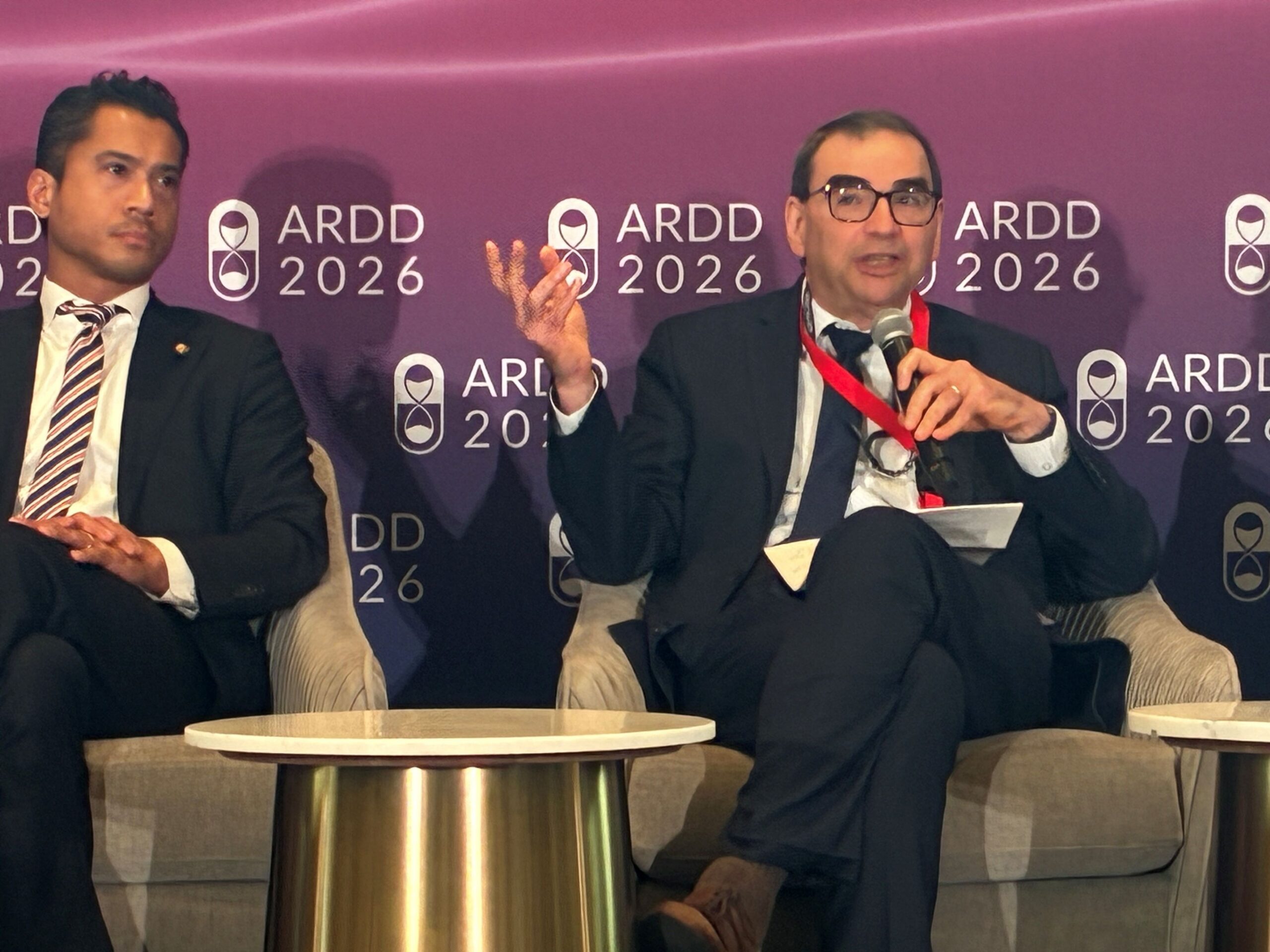
- He spoke at the 13th Aging Research & Drug Discovery Meeting at Harvard, on a panel of four current FDA officials about matching clinical trials to regulatory mandates.
- Jeffrey Siegel, who directs the FDA's Office of Drug Evaluation Sciences, described two ways aging could figure in approvals: across several age-linked diseases, or through measures of decline.
- Lowell Zeta, acting chief of staff in the commissioner's office, called longevity and healthspan an important topic for the agency and for HHS.
Compiled by The ScientistSomething wrong?How this is made
Why it matters
- constraint Without a qualified aging endpoint, a drug aimed at aging biology is argued disease by disease, and Siegel put the point where generalizing begins at two or three diseases moved by one mechanism.
- decision Developers planning longevity trials have to choose between stacking disease programs and enrolling people with age-related decline against an untreated control, two designs with different populations and readouts.
- precedent Kozlowski wants the first shared endpoint to be the standard for novel measures that follow, so whichever aging measure the agency accepts first would set the bar for later ones.
Kozlowski described the problem as one of measurement. "We all believe that there is a shared risk factor of aging for many, many chronic diseases. But to me, it's interesting: Is there a way of beginning to start quantifying that, really working a lot on the biological side but also on the clinical side, what that looks like?" he told the meeting [3].
The endpoint he wants would be "pre-competitive, qualified, and shared broadly so that everybody can use that can serve as a bridge," he said [4]. Pre-competitive means no single company owns it. An aging score that only one sponsor trusts would not meet the test he set out. His list of attributes included "regulatory acceptance," "feasible clinical trial designs," and a measure that "serves as a standard for all the other novel things that come after it" [5].
The moderator opened by asking what the most realistic regulatory path is for a therapy that targets aging biology instead of a single disease [17]. Siegel's first answer works disease by disease. Aging raises the prevalence of several cancers, Parkinson's, Alzheimer's and cardiovascular disease [12]. "Once you get to two or three that the same mechanism impacts, you begin to think that maybe this general mechanism is having an effect overall on aging-related disorders. And maybe you would be able to generalize from that," Siegel said [13]. He hedged twice in two sentences. On that route, a developer reaches the aging question only after two or three disease programs have worked.
His second route looks more like an aging trial. It starts from what aging does to people: cognitive decline, frailty, and loss of hearing and vision [14]. "If you have a way to evaluate those general aspects of aging, and you can define a patient population who's subject to that aging-related deterioration, then you have to make use of a clinical trial that could demonstrate an effect on aging more broadly," he said [15].
The design is a familiar one. Enroll people already in decline, measure aging-related domains, and show those domains progress less in treated patients than in an untreated control group [16]. Everyone in such a trial gets worse over time. The control arm is what separates a drug effect from the decline that would have happened anyway. Siegel's account, as reported, does not say which domains would count, how much slower progression would need to be, or over what period [16].
Measurement is also where federal research money is going. The panel's moderator, Andrew Brack, oversees ARPA-H's PROSPR, a $144 million initiative to extend healthspan by redefining how aging and functional decline are measured and treated [11]. Lowell Zeta, acting chief of staff in the commissioner's office, asked the room for input. "To the extent that we can be and should be evolving our programs to help you all solve the challenges, that's what we want to hear," he said [8].
Zeta described the focus areas as topics "where there is a need for more regulatory science" [7]. A qualified endpoint is still, in Kozlowski's words, something it "would be really good to have" [4]. Both of Siegel's routes end at the same requirement, a way to evaluate aging that the agency accepts [15]. Until one exists, I'd expect longevity programs to keep reaching the FDA as disease programs, through the two-or-three-disease route Siegel described [13].
What to watch
- The release date and contents of the updated FARS report, and whether it names specific aging domains or candidate measures.
- Any sponsor or consortium submission of an aging-related endpoint to the FDA for qualification.
- Measures of aging and functional decline that come out of ARPA-H's $144 million PROSPR program.