Build1 publisher3 min readPublished
Dutch regulator says shared camera-glasses footage needs consent from everyone in frame
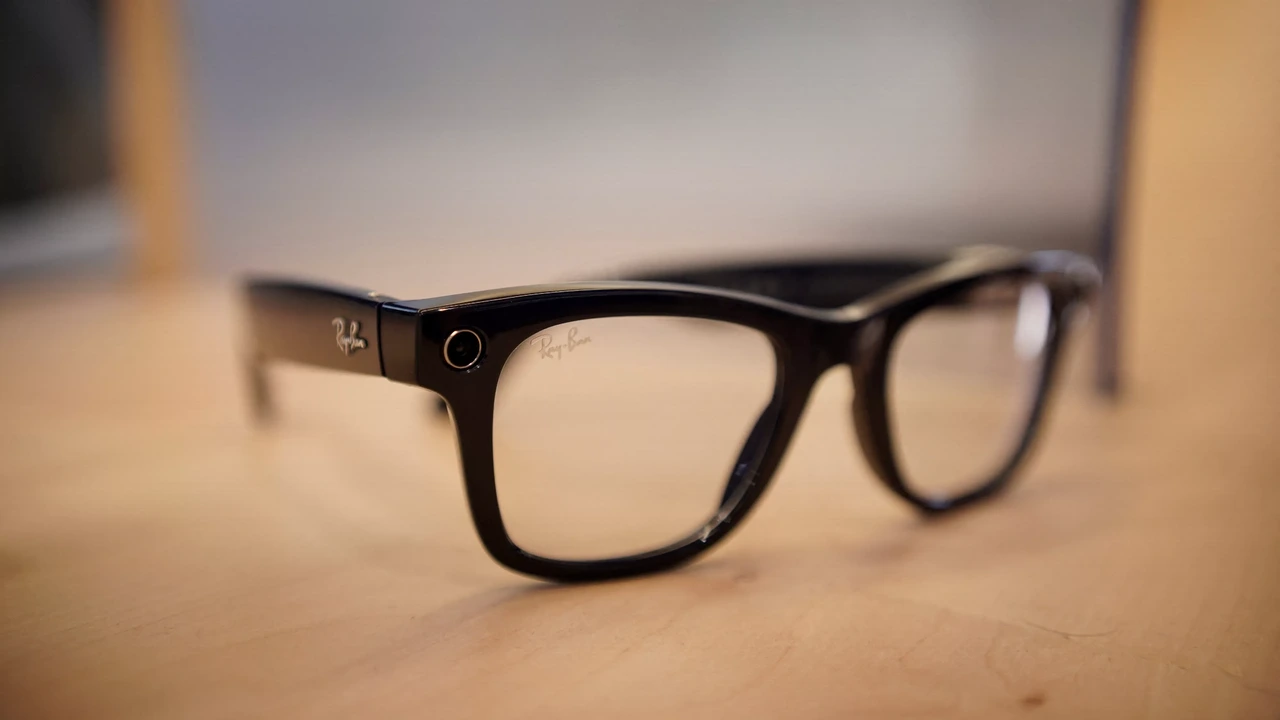
Dutch privacy authority AP warned that sharing camera-glasses footage breaks GDPR unless every person in the frame consented. For teams building camera products, that puts a per-person consent check on the code path that shares footage.
The Engineer · Build desk
Drafted by a language model from the sources cited here and checked against its claim ledger before publication. How we use AISend a correction
What happened
- Instagram removed a satire by Roel Maalderink and Bits of Freedom, filmed with Meta's AI glasses outside Meta's Amsterdam office, after about 500,000 views.
- Bits of Freedom says every employee's face in the video was blurred and unrecognizable, yet Meta judged it to contain bullying and intimidation.
- Bits of Freedom says global sales of Meta's camera glasses tripled in 2025, and its gluurbril.nl campaign site calls for a ban.
Compiled by The EngineerSomething wrong?How this is made
Why it matters
- constraint Because the AP's warning attaches to sharing, the sync and share path is where a camera product would have to collect permission from every person in frame.
- decision Face blurring did not keep the Amsterdam video on Instagram, so a team choosing redaction over consent collection is relying on a reading of the warning the AP has not stated.
- contradiction Meta treated filming its own staff without asking as bullying while its camera glasses sold more, so its content rules and its product take opposite positions on bystander consent.
DutchNews, as quoted in a dev.to post, reported that the Dutch watchdog AP "warned that sharing images made with camera glasses violates GDPR rules unless permission is given by everyone in the image" [1]. As reported, the warning is about sharing footage, not recording it. In a camera product, the risk sits in the code that moves footage off the device: phone sync, the share sheet, the post button.
The test also applies to each person. "Everyone in the image" means a street clip needs a yes from every face in it [1]. A passerby has no way to answer a prompt on someone else's glasses. Redaction is the obvious engineering fallback, and the Amsterdam video tried it.
Bits of Freedom wrote that "All faces of employees in the video were blurred and rendered unrecognizable" [3]. Instagram removed it anyway, citing "bullying and harassment" [2], and RTL reported that Facebook took it down too [13]. That was a platform policy decision. The reporting does not say whether blurred faces would pass the AP's consent test.
The people in the video were Meta employees, filmed with Meta's AI glasses outside Meta's Amsterdam office [2]. According to Bits of Freedom, Meta said the video "did not align with their guidelines: there allegedly were elements of bullying and intimidation" [4]. So Meta upheld a bystander's objection to being filmed in the one case where the bystanders were its own staff. Maalderink, who has made satirical videos for ten years, said "My jaw literally dropped here" and that "I've never experienced a video being taken down before" [6]. The video is still on YouTube [5]. Meanwhile, according to Bits of Freedom, "Global sales tripled in 2025," and its campaign site gluurbril.nl calls for a ban [7][8].
Meta's Connect launches that week were VR glasses and a pendant [9][12]. The Meta VR Glasses weigh about 100 grams. Compute and battery sit in a puck on a cable, and playback runs up to three hours [9]. They ship in spring 2027 at $1,299 [10]. That is about 4.3 times the $299 Quest 3S from 2024 [11][1]. For developers, the announcement says: "We've integrated your Meta AI agent directly into the operating system" [14]. The Muse Charm is a pendant for the Muse agent, with no price and a December ship target [12]. The dev.to author had marked Muse REVERT on the Tuesday, after a researcher showed that any local process on a Mac could redirect its account token [15].
The author summed up the week this way: Meta's employees and Europe's regulators agree that nobody wants to be filmed by these glasses without being asked [16]. The regulatory record is one national authority's warning, reported second-hand through DutchNews [1]. I think that is enough to justify building per-person consent into the share path of any product sold to Dutch users. To call it rising enforcement risk, you would need an actual case.
What to watch
- Whether the AP turns the warning into guidance or an enforcement case, and whether it says face blurring counts as compliance.
- Whether Meta changes how footage from its camera glasses can be shared from devices sold in the Netherlands or the wider EU.
- Whether Bits of Freedom's gluurbril.nl ban campaign gets a response from Dutch lawmakers.