Invest1 publisher2 min readPublished
Border Patrol's PITT unit routed a financial flag to the Montana Highway Patrol
A 404 Media investigation found that a Border Patrol analyst flagged a licensed Montana cannabis farmer's spending and state troopers pulled him over. The department would not say how it gets the records.
The Investor · Invest desk
What happened
- A Border Patrol unit called Predictive Intelligence Targeting Teams sifts Americans' financial records for patterns associated with narcotics trafficking and passes flagged names to local law enforcement, according to a 404 Media investigation.
- An analyst named Matthew Phelps flagged the financial activity of Kyle Olson, a licensed cannabis farmer in Montana, for patterns the unit associates with drug-related behavior.
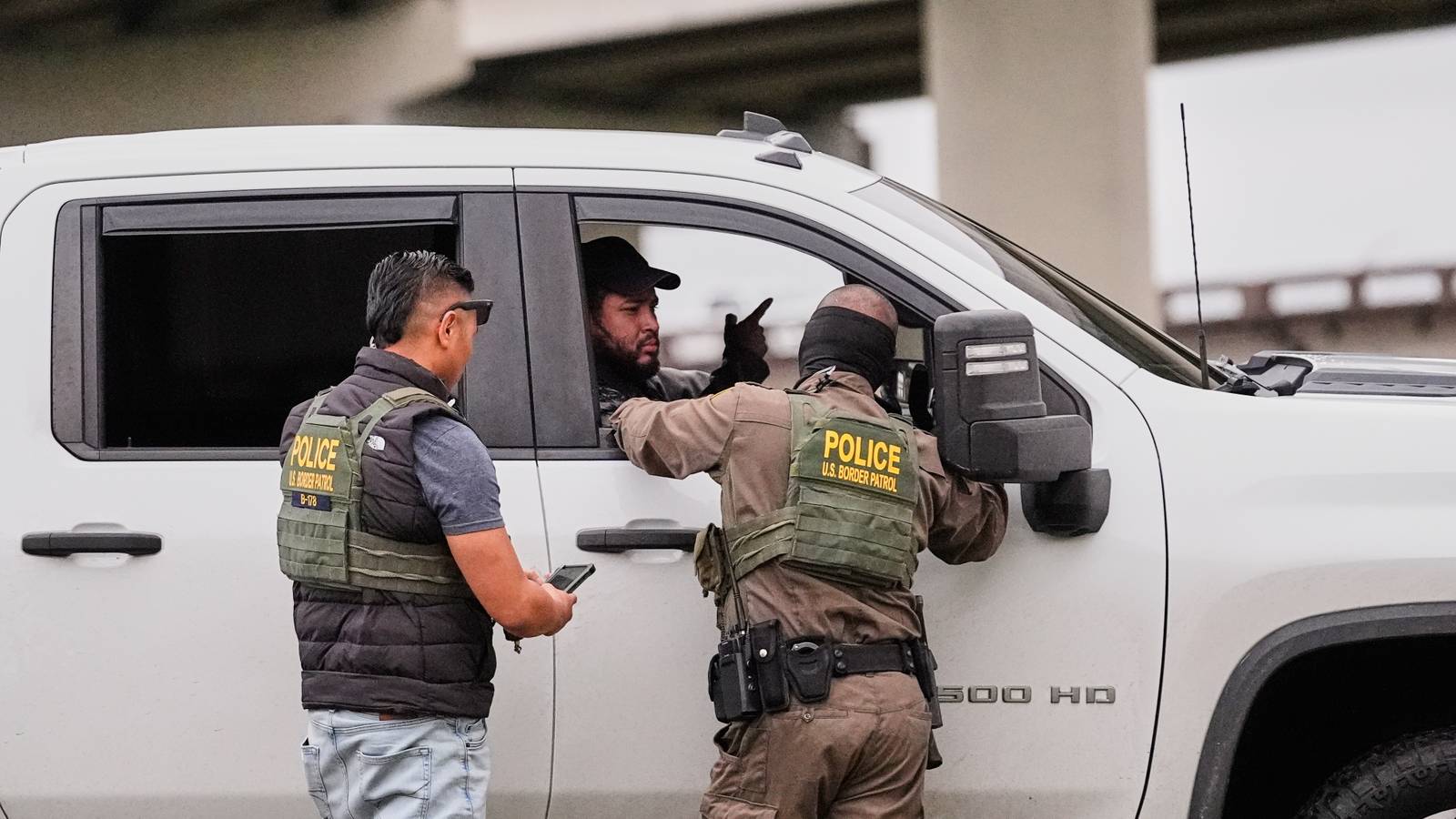
- The Montana Highway Patrol received that intelligence and stopped Olson.
- Confirmed units operate in two of the Border Patrol's 20 sectors, Spokane in Washington and Laredo in Texas, and whether similar teams work in the others is unknown.
- DHS declined to comment on the mechanisms it uses to obtain the financial data when asked by media outlets.
Compiled by The InvestorSomething wrong?How this is made
Why it matters
- exposure Whoever supplies the records sits upstream of a trooper's decision to pull a car over, and the leads its data produced stay outside the supplier's view and its audit.
- constraint The driver does not know his financial records started it, so contesting a stop like this means discovering an intelligence step that appears nowhere in the stop report.
- precedent A narcotics-pattern screen produced a stop of a state-licensed operator, and on the record so far a flag can be used well past the predicate that generated it.
- decision Banks that treat BSA reporting as a filing obligation now have to decide whether to ask, in writing, what the receiving agencies do with the file after it lands.
The Bank Secrecy Act and Suspicious Activity Reports already give the government broad access to certain categories of financial data, and both were built to track money laundering and terrorism financing. Neither was built to generate traffic stop leads for state highway patrol units [12]. Two access routes fit what has been published: the reporting channel banks already run, or records bought from commercial vendors. A bank's exposure here depends entirely on which one it was.
BSA compliance is a fixed operating cost with a defined deliverable. File the report, keep the file, answer the examiner. The second use is the one no compliance committee has priced: a filing becomes a lead, and the lead ends with a state trooper at a car window [6].
Olson holds a Montana cannabis license, and the patterns that triggered the flag were not evidence of a crime, only data points an analyst interpreted as suggestive of one, according to the 404 Media reporting [4][8][1]. The screen is built for narcotics trafficking patterns [2]. What Olson ended up facing was a DUI charge [7].
Two confirmed sites against 20 sectors is 10 percent of the Border Patrol's map [1]. The other 18 remain open, and the exact scale of the program has not been publicly disclosed [10]. With one documented case, there is no hit rate to compare against the cost of the stops.
Using intelligence to pick a target and then constructing a separate, seemingly independent basis for the stop is sometimes called parallel construction, and it has been contested in law enforcement for over a decade [13]. The objection to it is that the practice undermines defendants' rights to challenge the evidence against them [14].
The small version of this story is that PITT is a two-sector pilot working from subpoenas or purchased files, bank reporting sits nowhere near it, and no compliance department owns any of it [9]. The large version is that the flag came out of the reporting channel, in which case every filer is one analyst away from a state traffic stop. I'd expect something closer to the second, because the unit's product is patterns in financial records and the reporting channel is the cheapest place to find them [2]. If DHS describes a warrant or a subpoena for Olson's records, the compliance thesis fails and this is a Fourth Amendment story with no bank in it.
What to watch
- Any DHS description of its access route, whether warrant, subpoena, SAR data or purchased records, would settle where the compliance exposure sits.
- Whether a court in the Spokane or Laredo sector orders discovery into the origin of a PITT-derived stop.
- Confirmation, or denial, of PITT teams in any of the 18 sectors not yet accounted for.