Loading today’s stories
Invest1 distinct publisher3 min readUpdated
Cuba deregulates, Washington sanctions anyway: state mining and construction firms hit
New US penalties on Cuban state mining, metal and construction landed about two months after Havana's private-investment package. Rubio's stated answer to compliance is more sanctions, every couple of weeks.
The Investor · Invest desk
What happened
- On Thursday the United States imposed more economic penalties on Cuban industries, targeting state-owned mining, metal and construction companies.
- The US State Department responded to a request for comment with a quote from Secretary of State Marco Rubio saying new sanctions will continue to be announced every couple of weeks to close off "escape valves that they're trying to create in every mechanism."
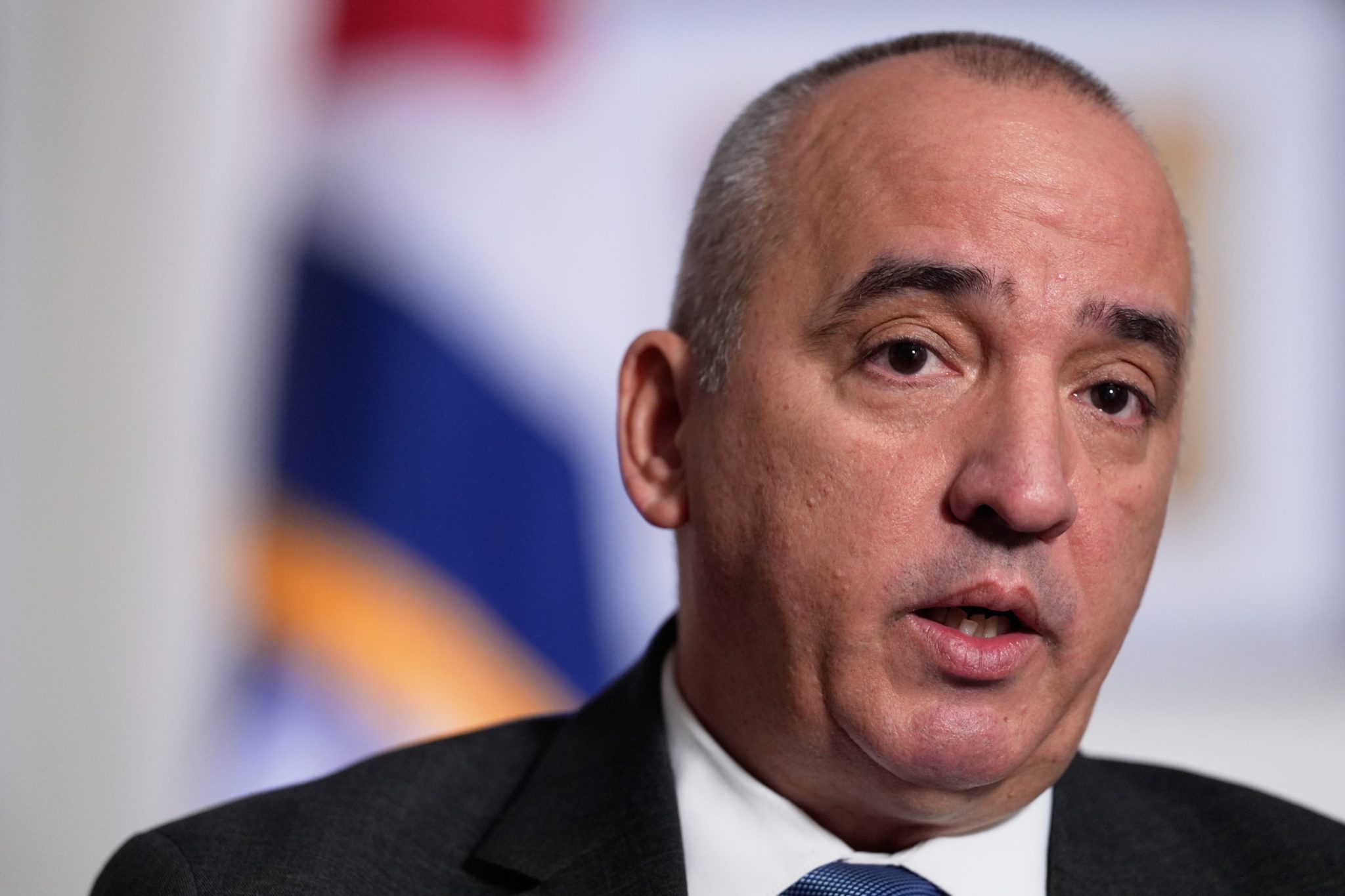
- Cuba's UN ambassador Ernesto Soberon Guzman, in an interview with The Associated Press, addressed Rubio: "What are you afraid of? If you are so convinced that the Cuban government is an incompetent government, why do you need to implement almost every two weeks new sanctions?"
- Changes announced by Cuban President Miguel Diaz-Canel in June include more space for private businesses, imports and exports without the state as intermediary, free hiring of personnel, authorization for private banks, investment by Cubans abroad, and opportunities for fast-food chains.
- Cuba has been pushed to the brink by an oil blockade imposed by the United States in January on top of a decades-old embargo, coupled with escalating sanctions.
Compiled by The InvestorSomething wrong?How this is made
Why it matters
Mining, metal and construction sit upstream of nearly everything in the package Miguel Diaz-Canel announced in June [4]. The openings Cuba's UN ambassador is advertising to foreign capital are solar farms, energy, marinas and real estate [12], and those need cement, structural steel and imported equipment. Penalising the state firms that supply them [1] does more than deny the government revenue: it raises the build cost of the reforms Washington has spent decades demanding.
The operative phrase came from the State Department, which answered a request for comment with a quote from Secretary of State Marco Rubio saying sanctions will keep being announced every couple of weeks to close off "escape valves that they're trying to create in every mechanism" [2]. Read that against the June text and the two documents describe the same objects. Private banks, direct imports and exports without the state as intermediary, free hiring, investment by Cubans abroad [4] are, in Rubio's framing, mechanisms to be sealed rather than concessions to be banked. Ambassador Ernesto Soberon Guzman asked Rubio in an Associated Press interview what he was afraid of, and why new sanctions were needed every two weeks [3]. The cadence is the answer: roughly 26 rounds a year [15], and about 17 since January [16], when the US added an oil blockade to the existing embargo [5].
The figure that actually prices this is not a sanctions count. It is Melia, a Spanish hotel chain with sunk assets and tourist revenue, leaving the island and citing "significant operational, legal, economic and financial difficulties" [7]. Guzman's own diagnosis of what repels investors and tourists is the shortage of electricity and the lack of fuel to run a business or travel [14], and the blackouts have worsened alongside crippled infrastructure and deeper medicine and food shortages [6].
The sources split on what that means for anyone underwriting the opening. John Kavulich of the US-Cuba Trade and Economic Council says the loss of Cuba's lifeline when Nicolas Maduro was ousted in January forced more commercial, economic and financial change in eight months than the revolution produced as a group since 1959 [10], while noting two absent pieces: Cuba turning announcements into regulation, and Washington letting US companies into the market while the changes proceed [11]. William LeoGrande of American University reads the same record as bad faith, arguing the US has done everything imaginable to deter foreign investors and that no opening can succeed without some sanctions relief [8], because the aim is to change the political system rather than the economy [9]. Christopher Hernandez-Roy of CSIS supplies the other direction of failure: the Obama-era opening was throttled by the Cubans themselves once it appeared to threaten political control [13].
Put those together and the reform text carries reversal risk from both governments at once. Havana can decline to issue the implementing regulations, as Kavulich says it has not yet done [11]. Washington has told anyone listening that its licensing posture tracks its own schedule, not Cuba's statute book [2]. A model that treats the June package as the trigger for relief has assigned a counterparty to a trade that, on this evidence, has none. What is left to underwrite is physical: megawatts, fuel deliveries, and whether an announced freedom exists as a regulation a Cuban bank will actually honour.
Loading topic controls
Loading related stories