Loading today’s stories
Invest1 distinct publisher3 min readUpdated
Carney calls it an economic war: cross-border operators should plan for a regime, not a deal
Canada will answer 50% US tariffs on $20 billion of goods dollar for dollar from September 8. The two capitals cannot agree on who broke the talks, which removes the easy way back.
The Investor · Invest desk
What happened
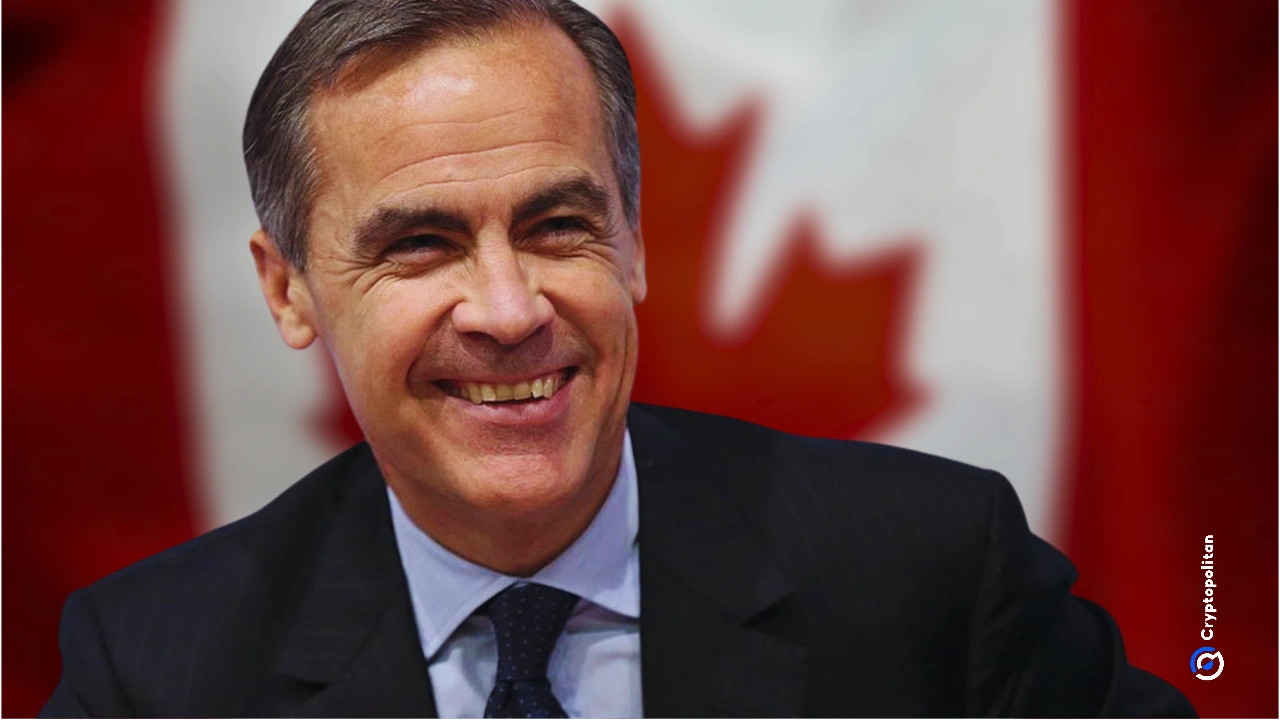
- Mark Carney said on Parliament Hill on Saturday that Canada is now in an economic war with Trump after trade talks collapsed, saying: "It is evident it is a new attack by the Americans on Canada. So, it is an attack in a war. It's not a good choice. We want a global accord between the two countries."
- Trump imposed a 50% tariff on $20 billion of Canadian goods.
- Canada plans to retaliate dollar for dollar against the American measures.
- Canada's retaliation targets will include US steel, dairy products, appliances, agricultural machinery, pulp and paper, and electronics.
- Carney said the full retaliation package would be announced within days and take effect on September 8.
Compiled by The InvestorSomething wrong?How this is made
Why it matters
"Dollar for dollar" [4] is the phrase worth reading twice, because it names an outcome and not a mechanism. Fifty percent on $20 billion of goods collects roughly $10 billion a year in duty if volumes hold [3][1]. Ottawa can reach that figure two ways: a comparable rate on a comparable slice of US imports, or a much lower rate spread across a far wider base. The categories named so far, US steel, dairy, appliances, agricultural machinery, pulp and paper and electronics [5], are broad enough to carry either design, and the account of Carney's remarks attaches no rate and no trade value to them [19]. Until the order is published, an importer cannot price the line.
The composition tells you where the money is actually collected. Steel, pulp and paper and agricultural machinery are inputs, bought by Canadian fabricators, printers and farms. A Canadian duty on them is remitted by Canadian buyers, whatever it does to American sellers. Dairy sits apart from the rest of the list: a category picked for the message rather than the revenue.
Carney's language is not the language of someone holding a position open. He said the Canadian team "worked intensively and in good faith with the United States to negotiate a new comprehensive trade deal" [18], and then: "We cannot accept what they offered, and we will not give what they've asked" [14]. He said this standing beside Trade Minister Dominic LeBlanc and chief negotiator Janice Charette [16], which is how a government presents a settled decision rather than a pause. His record points the same way: Bank of Canada governor from 2008 to 2013, chair of the Financial Stability Board from 2011 to 2018, Bank of England governor from 2013 to 2020 [15]. That is a career spent managing the losses from a crisis nobody could bargain away, not one spent closing transactions.
The stated breaking point is narrow enough to be checkable. Carney says Washington moved late to keep medium and heavy-duty trucks outside the tariff relief under discussion, and called other American proposals "uneconomic, unfair and undermined the net benefits to Canada, calling into question the reliability of any deal" [11][12]. US Trade Representative Jamieson Greer told reporters the opposite, that Canada brought "new demands and walkbacks of other commitments"; Carney denies it [13]. If trucks reappear in a later offer, one of those accounts gets weaker.
One caution on sourcing. The collapse narrative, the tariff figures, the retaliation list and the September 8 date all come from a single report on cryptopolitan.com [17], which carries both governments' versions but no primary document. The thing to plan against is Ottawa's published order, which Carney said arrives within days [6].
Loading topic controls
Loading related stories