Product2 publishers3 min readPublished
Amazon's $60 Fire TV Stick 4K ends Android sideloading by moving to Vega OS
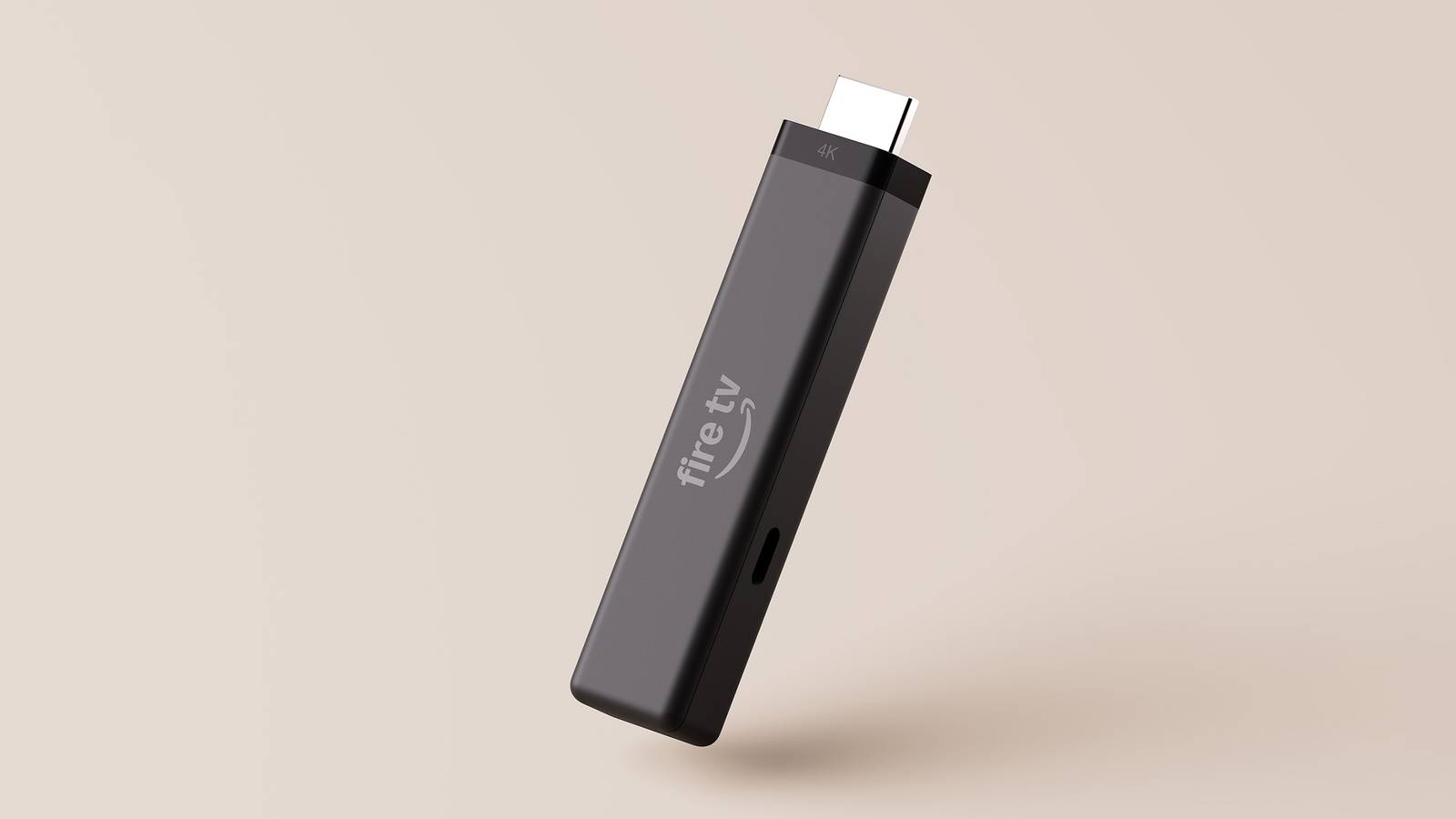
Amazon's new $60 Fire TV Stick 4K runs Vega OS, its own Linux-based system, and blocks sideloaded Android apps. Streaming app teams that reached Fire TV owners with Android builds now need a Vega OS version to reach buyers of the standard stick.
The Product Desk · Product desk
What happened
- The new stick replaces both the Vega-based Fire TV Stick 4K Select and the Fire OS-based 4K Plus, which stays on sale only while stocks last.
- Amazon's Fire TV Stick 4K Max and Fire TV Cube keep running the Android-based Fire OS.
- Amazon says Vega OS has gained more than 2,000 apps since last year's Fire TV Stick HD, including Spotify, Xbox, VLC and several VPNs.
- Amazon rates the stick 20 to 40 percent faster than its predecessor, with apps launching 35 percent faster and content playing 20 percent faster.
Compiled by The Product DeskSomething wrong?How this is made
Why it matters
- decision Teams without a Vega OS version now choose between porting and an audience that, once 4K Plus stock runs out, can only grow through the 4K Max and the Cube.
- exposure With the Select and Plus labels gone, the product name no longer tells a shopper who wants to sideload that the standard 4K stick will refuse Android apps.
- contradiction T3 says Vega OS runs apps on remote servers while XDA describes a local Linux-based system, and the difference decides what a porting team builds and tests.
A buyer plugs the new Fire TV Stick 4K into the TV's USB port for power [15], opens settings, and tries to install an Android app from a file. It will not install [2]. The stick runs Vega OS, Amazon's proprietary Linux kernel-based system, where the old 4K Plus ran the Android-based Fire OS [1].
Sideloading is the habit Amazon is closing. According to XDA Developers, sideloaded streaming apps, many of them less-than-legal, were a big part of what made the stick popular in the first place [10]. Amazon is pitching the speed gain [11] and a shorter lineup [4]. What it is actually doing is moving the standard 4K stick to a platform that, in XDA's assessment, still has fewer apps than Fire OS on paper [9].
For a team shipping a streaming app, the new stick is a separate build target. An Android app reaches its buyers only if a version exists on Vega OS [3]. The large services are there. Amazon lists Netflix, Disney+, YouTube, Prime Video, HBO Max, Peacock and Tubi as available [8], on top of the 2,000-plus additions it counts since last year [7]. The teams most exposed are smaller services that reached Fire TV owners through Android builds and have no Vega version.
The standard stick is also the one Amazon is discounting. In the UK, a limited-time deal prices it at 32.99 pounds against a 69.99-pound list [16], about 47 percent of full price [1].
The two launch reports disagree on what a Vega OS app is. T3 wrote that Vega OS "uses the cloud to stream the experience, not just individual apps," and that Netflix and Disney+ are not installed locally [12]. In T3's account, apps load faster because they start on remote servers [13]. XDA describes a Linux kernel-based OS on a stick with 8GB of storage and a quad-core 1.7 GHz processor [1][14], and reports the faster launches as a gain over the previous model [11]. Neither report quotes Amazon on where app code runs.
The decision sorts on two facts a team can check tomorrow: whether its app is available on Vega OS now, and whether its Fire TV users installed it through Amazon or from a sideloaded file. If the app is on Vega and users got it through Amazon, the work is testing on the new stick. A Vega version with a sideloading audience is ready, but new buyers of the standard stick can only get it through Amazon. An app missing from Vega whose users came through Amazon is missing from the standard stick, and the cost of a port has to be set against how many users remain on Fire OS hardware. A sideloaded app with no Vega version cannot reach the new stick at all.
If most of a team's Fire TV users are on the standard stick, I'd build the Vega version. The cost is a second platform with a smaller catalog to maintain [9], and the public accounts of where it runs apps still conflict [12][1].
What to watch
- Amazon stating whether Vega OS apps execute on the stick or on its servers; T3 and XDA currently describe it differently.
- Whether the next Fire TV Stick 4K Max refresh also moves to Vega OS, leaving the Cube as the lineup's last Fire OS device.
- A fresh Vega OS app count from Amazon, measured against its claim of more than 2,000 apps added since the Fire TV Stick HD.