Leadership1 publisher3 min readPublished
Washington asks Australia to write American platforms out of its child-safety duty
The Trump administration used Australia's own public consultation to ask that American platforms be exempted from the proposed under-18 duty of care, a request that lands while the exposure draft is still being written.
The Board Room · Leadership desk
What happened
- The Trump administration warned Australia that its online safety plans risked becoming a mechanism for viewpoint-based censorship, and called for American platforms to be exempted from them.
- Albanese played down the warning, insisting the plan will not give the government power to censor political thought or police the internet.
- Australia announced this month a digital duty of care for internet users under 18, covering popular platforms, online games, apps and AI chatbots.
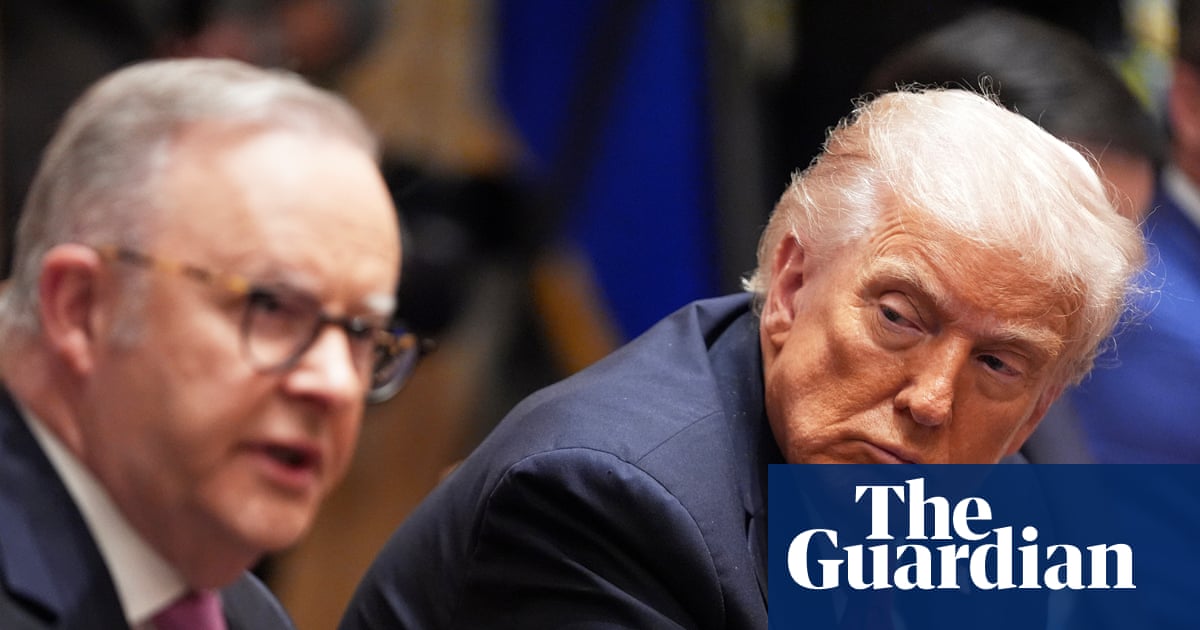
- The intervention landed as Albanese attended a cocktail party for world leaders hosted by Trump at the United Nations general assembly on Tuesday, New York time.
Compiled by The Board RoomSomething wrong?How this is made
Why it matters
- decision Canberra has to settle, before introduction, whether an exemption can be written around a platform's nationality while the duty itself is written around named harms to children.
- contradiction Washington describes compelled algorithmic filtering; the Australian package pairs removal notices with a user opt-out from algorithmic feeds. Which description holds decides whether the dispute is about speech or about product design.
- precedent A foreign government answering a domestic safety consultation in public turns the consultation window into a diplomatic channel. The next country drafting child-safety design rules should expect the same filing.
- exposure Passage now runs through votes the government does not control, with a foreign objection available to opposition members as evidence for their own case.
The request arrived during the drafting window. The submission was published on the website of the US embassy in Canberra on Tuesday night, and said the proposed model of protection for users under 18 would unfairly affect users in the US [4]. Albanese said: "The fact is that we have released an exposure draft of legislation. We haven't even introduced the legislation before Parliament." [11] Submissions to a consultation are read by the people writing the bill, so an exemption sought now is aimed at definitions while they can still be moved.
The exemption is the part that would change the shape of the scheme. The announced harms for under-18s are pornography, content that promotes, encourages or accelerates eating disorders, and misogynistic content. The list also covers content that glorifies crime or life-endangering stunts, and content that causes serious mental health distress, including abuse and bullying [14]. Exempting a platform because its operator is American would make the duty depend on where a company is incorporated.
Both governments describe platforms the same way. The US submission said legally required design features, especially when applied to algorithms, could affect what users see, say, and hear around the world [8]. It added that "Platforms generally build and deploy product features at a global scale" [9]. Australia's plan relies on the same behaviour: removal notices issued to social media companies, and operators required to document what they have done, act on products built once and shipped everywhere [15]. The US calls the spillover "extraterritorial censorship of protected speech by Americans online" [3].
Washington and Canberra describe the bill itself differently. The US asked Australia to withdraw any plans to mandate that platforms algorithmically suppress content "based on ambiguous government-defined safety criteria" [7]. The package announced this month also requires platforms to let account holders opt out of the algorithms pushing content into their feed [17], and designated harms could be disallowed by parliament [16]. Albanese said: "It's not about giving government control, it's about giving people back control over what they receive on their devices, which is why it is framed in that way." [10] A removal notice is still a removal power. And a ministerial declaration of foreseeable harm is discretion parliament can only undo after it has been used [3].
According to the Guardian, the White House had warned before about measures that could impose unfair new restrictions on American companies, and this submission is a public escalation of that opposition [23]. So far the request carries no tariff, no trade action and no deadline [24]. Trump's new envoy to Australia, the former congressman David Brat, arrived in Canberra days before the submission [22]. On Wednesday Albanese posted a photo of himself and Trump on the sidelines of the UN summit, captioned "Always good to catch up with @potus" [21].
The bill has not been introduced. What the government has to settle this quarter is whether the draft it takes to parliament keeps the duty keyed to the listed harms, or adds an exemption keyed to a platform's nationality. The Coalition opposes the duty of care laws on the grounds they would hand too much power to the government to regulate online content [18], and the Guardian reported that the US intervention will embolden it [19].
What to watch
- Whether the bill introduced to parliament contains any exemption keyed to where a platform's operator is incorporated.
- Whether Washington follows the embassy submission with an instrument that carries a cost, or leaves the objection on the record.
- Whether the Coalition turns its opposition into a stated condition for supporting the duty of care.