Science1 publisher2 min readPublished
University of Colorado team has stocked more than 30 phages against resistant gut bacteria
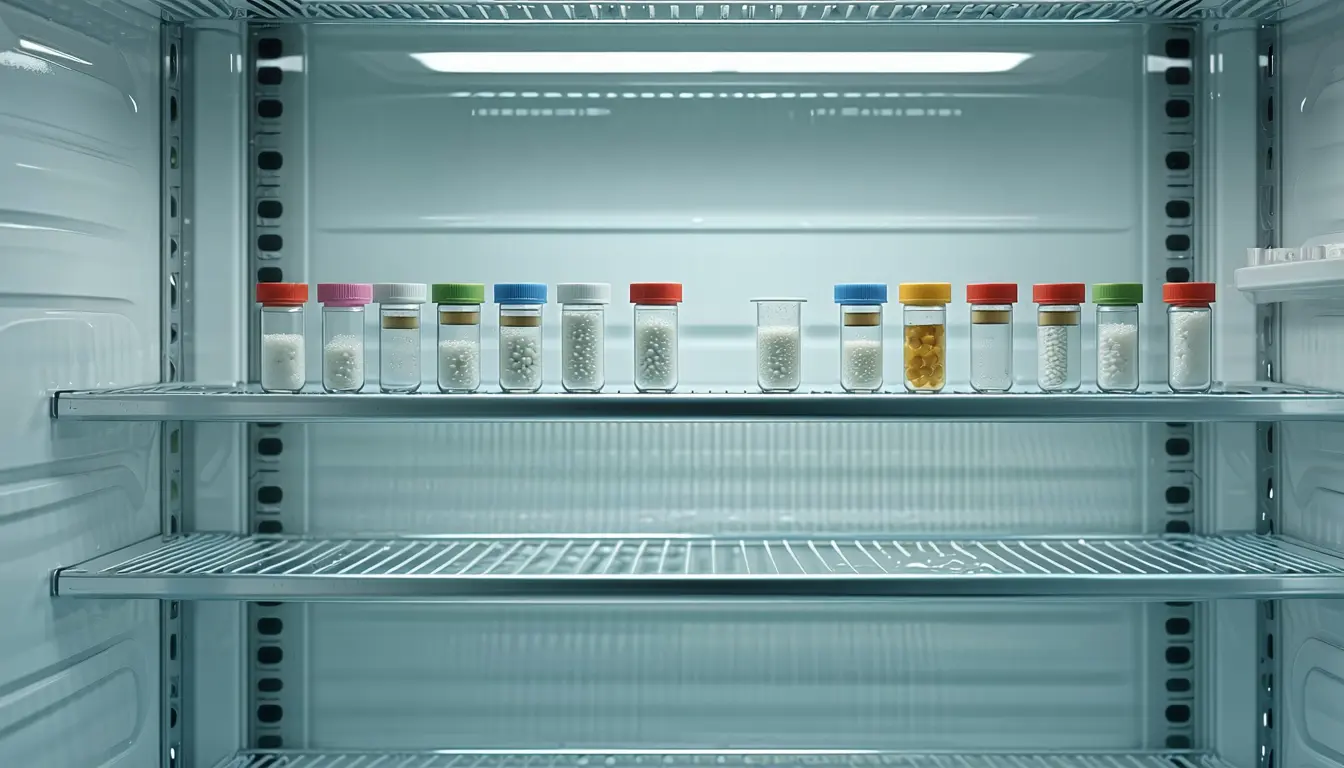
University of Colorado Anschutz researchers have spent 15 years building a refrigerated library of more than 30 phages against drug-resistant gut bacteria. The stock can be screened for a virus that matches a patient's strain, though cure rates in people are not reported.
The Scientist · Science desk
What happened
- Researchers at the University of Colorado Anschutz School of Medicine, led by Breck Duerkop, have spent 15 years assembling a library of bacteria-killing viruses aimed at hard-to-treat gut bacteria.
- The collection now holds more than 30 phages that infect enterococcal bacteria and roughly 15 to 20 that infect Enterobacter and Klebsiella.
- Its main targets, Enterococcus faecalis and Enterococcus faecium, live harmlessly in most guts but cause severe, drug-resistant infections in people with weakened immunity.
- The team harvests candidate phages from untreated wastewater, grows the target bacteria on agar plates, and pulls viruses from the clear plaques where cells have been killed.
Compiled by The ScientistSomething wrong?How this is made
Why it matters
- capability Because phages infect only bacteria and not human cells, and the stock is diverse and kept ready in a refrigerator, a clinician could match a virus to a patient's resistant strain instead of hunting one from scratch.
- constraint That specificity cuts both ways: each phage is narrow, so the library helps only when it already contains one that matches the strain in front of the doctor.
- precedent Because the phages come from untreated wastewater, an abundant source, the library can keep growing to cover new resistant bacteria as they emerge.
Phages are picky. A single virus may kill one strain of a bacterial species and leave the next untouched, so Breck Duerkop's group at the University of Colorado Anschutz School of Medicine keeps dozens on hand. [4][1] Nearly all bacteria have viruses that infect them, Duerkop says, so phages turn up almost anywhere bacteria live. [16] "The idea of generating a library is you want some diversity," Duerkop said. "Not every phage infects every type of bacteria. They're very specific." [3]
The group's interest has widened beyond gut enterococci to emerging antibiotic-resistant pathogens, including Enterobacter hormaechei and Klebsiella oxytoca. [10] The source says phages have shown promise as a treatment, and that they can be combined with standard antibiotics, taken orally, delivered by IV for a blood infection, or applied to the skin for infected burns. [11] It does not report how often a phage clears an infection in a person. The group also studies how bacteria become resistant to the phages, so the viruses face a resistance problem of their own. [12]
One fact works in the phages' favor: they infect only bacteria and cannot infect human cells. [14] The renewed attention to them tracks the problem they target. "Phages have been used historically for decades as tools to understand molecular biology, but there's been a resurgence in interest in them due to the rising incidence of antibiotic-resistant bacterial infections," Duerkop said. "We can isolate viruses against infections that are difficult to treat, and some of the viruses will kill the bacteria very readily." [13]
What to watch
- Clinical trial data showing cure rates for these phages against Enterococcus infections in patients.
- Whether and how fast the target bacteria develop resistance to the library's phages.
- Expansion of the library to more emerging resistant pathogens beyond Enterobacter and Klebsiella.