Science1 publisher2 min readPublished
A new dicynodont species makes Tanzania's oldest-dinosaur rocks look younger
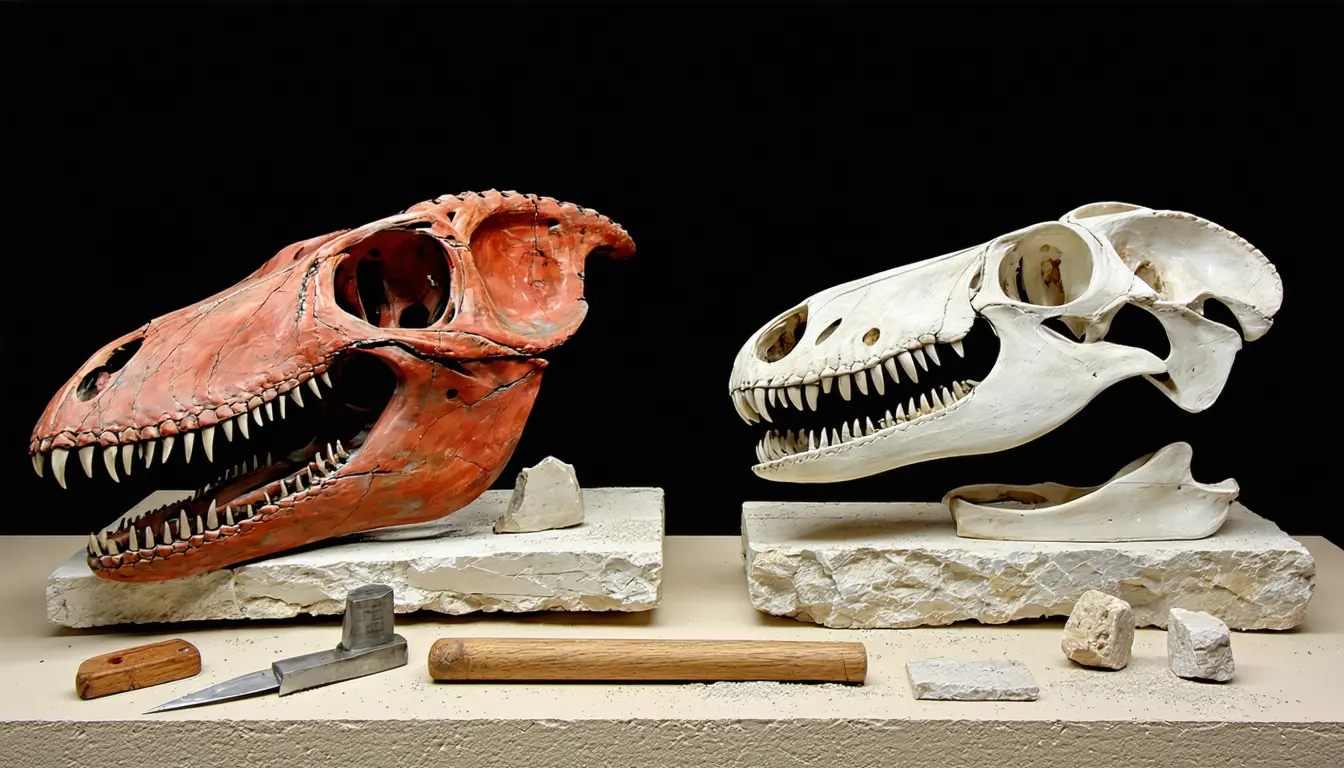
Dinodontosaurus isiyavamanda, described from bones a British expedition collected in the 1960s, extends a South American genus into Tanzania. The shared genus argues that those Tanzanian beds are no older than South America's.
The Scientist · Science desk
What happened
- A reanalysis of fossils a British expedition dug from Tanzania's Manda Beds in the 1960s, held in London's Natural History Museum since, has produced a new species, Dinodontosaurus isiyavamanda.
- The species name honours the Wamanda people, who helped the British team unearth the material in the 1960s and were never credited for the work.
- Close relatives of the new species had been described before, but never from Tanzania.
- Because Dinodontosaurus now turns up in both Tanzania and South America, the study treats the rocks that produced the fossils on the two continents as being of a similar age.
- Nyasasaurus, dug from the same Ruhuhu basin in southern Tanzania, has been thought to be the first dinosaur.
Compiled by The ScientistSomething wrong?How this is made
Why it matters
- constraint The method can only bound the Manda Beds against another region's dates. Until someone dates those beds directly, the earliest-dinosaur timeline depends on South American geochronology.
- exposure Work that treats the Tanzanian fossils as the world's oldest dinosaurs now leans on an age borrowed from rocks on another continent, carried by one herbivore genus.
- capability A timeline moved without a new field season. Unworked museum material plus CT scanning was enough, which changes what an under-resourced collections budget can buy.
- precedent Writing the Wamanda people into the species epithet fixes local collectors' contribution in formal nomenclature, where a later citation cannot quietly drop it.
Correlation by shared fossils is the oldest tool in stratigraphy, and the inference runs one way here. The Tanzanian rocks take on whatever age the South American rocks have been assigned, and a new analysis of those South American rocks puts them millions of years younger than Triassic rocks in South Africa [9]. Dinodontosaurus itself was a dicynodont, one of the tusked four-legged herbivores of the Triassic [4].
So the study sets a ceiling on the Tanzanian beds without measuring them. Hady George, an earth science student at the University of Bristol and a co-author, kept his conclusion relative. "This helps confirm that the oldest dinosaur candidates from Tanzania are probably no older than those from South America, refining the timeline of dinosaur origins," George said [7]. Both qualifiers are his: "probably", and "candidates" for a fossil normally reported as the first dinosaur. A single shared genus is a thinner basis for matching two regions than a whole assemblage would be. The account does not report a numerical age for the Manda Beds themselves [17], so the 243-million-year figure for Nyasasaurus [1] is in question without another number to replace it.
About six decades separate the dig from the description [18]. Nigel Larkin of the University of Reading first came across the unidentified specimen as a student in the 1990s [11], and he credits micro-CT scanning and easier international collaboration for what the team can do with it now [13]. "And what's 30 years? It's the blink of an eye compared to the age of this prehistoric specimen," he said [12].
George said the discovery "marks the first confirmed record of the genus Dinodontosaurus outside South America" [6]. Checking that against the paper is not straightforward from the coverage: the source list at the foot of the Discover article points to a Journal of Vertebrate Paleontology study titled "Intercontinental evidence of the iconic genus Diplodocus Marsh, 1878 (Dinosauria, Sauropoda)", a sauropod paper, not the dicynodont description in the text [16]. On the evidence as published, the secure result is a range extension for a Triassic herbivore across two continents. The age revision follows only if the South American dates hold.
What to watch
- The team says it will analyse the remaining Dinodontosaurus material from the dig and compare it with South American bones; more specimens would firm up or weaken the correlation.
- Any direct dating of the Manda Beds, which would replace a borrowed age with a measured one.
- Whether other Manda Beds taxa also turn up in South America, which would put more than one genus behind the correlation.