Published Product3 min read
OpenShift 4.22 turns bare metal into a licensed workload class
Red Hat's Bare-Metal-as-a-Service add-on is GA, so OS-only servers join VMs and containers under one control plane. The stack you retire is replaced by Metal3, Redfish and new SKUs.
Not a builder's beat, but builders have a standing stake in it.See today for builders
What happened
- Red Hat OpenShift 4.22 includes general availability support for Red Hat Bare-Metal-as-a-Service (BMaaS) for OpenShift, enabling organizations to manage bare metal, virtual machines and application containers using the same consistent platform.
- Before OpenShift 4.22, the Cluster Baremetal Operator in OpenShift provided centralized management for servers with Redfish support, with containerized and virtualized workloads.
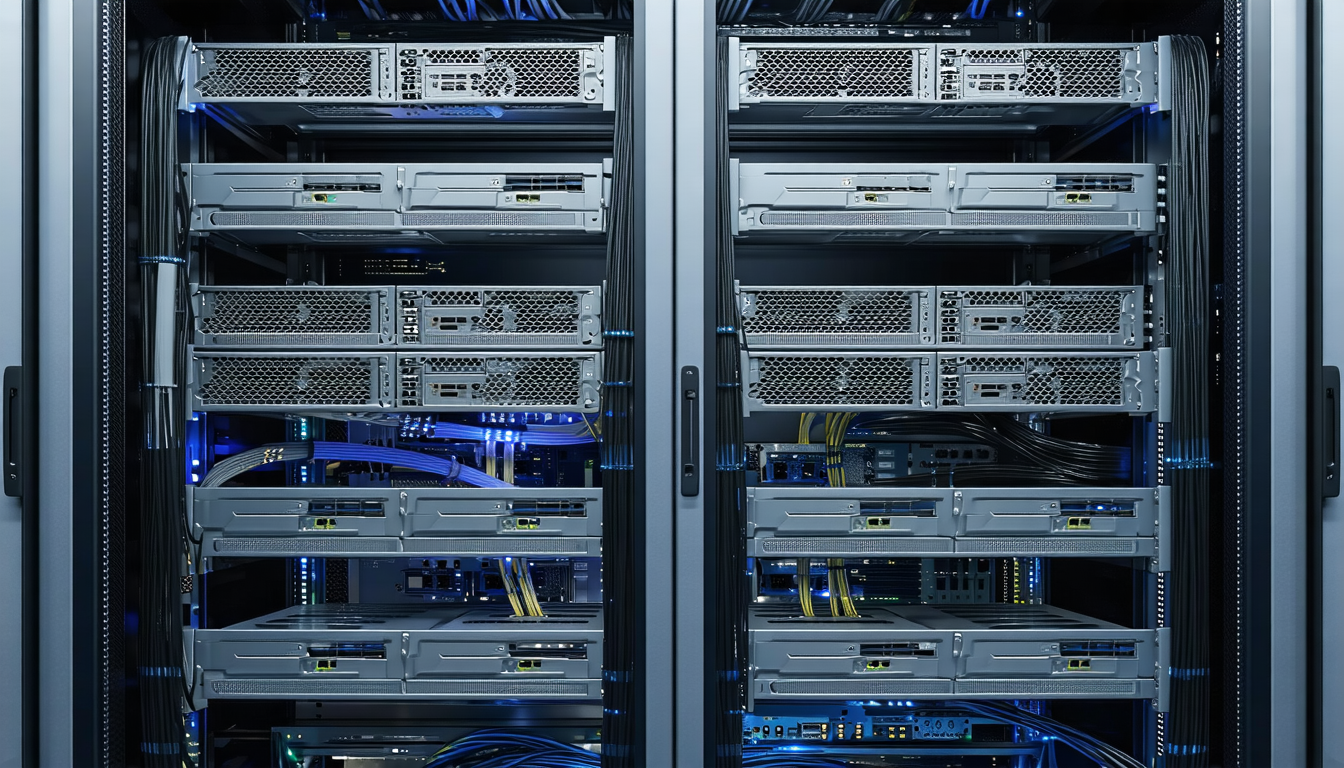
- With the new add-on, OpenShift Container Platform extends its orchestration capabilities to physical hardware running an operating system only, outside of the traditional virtualization layer.
- The Cluster Baremetal Operator is produced by Metal3, an incubating project within the Cloud Native Computing Foundation that provides Kubernetes-native bare metal host management, enrollment, OS provisioning and lifecycle management of physical servers.
- Red Hat says certain high-performance workloads require direct access to physical hardware to eliminate virtualization overhead, citing AI/ML fleets of servers with GPU cards and HPC tasks running on a specific OS without performance penalties.
Compiled by The Product DeskSomething wrong?How this is made
Why it matters
Red Hat has shipped general availability support for Bare-Metal-as-a-Service (BMaaS) for OpenShift in OpenShift 4.22, putting OS-only physical servers under the same platform that already handles containers and virtual machines [1]. For platform teams running AI or HPC fleets, that weakens the case for maintaining a separate hardware provisioning stack, and replaces it with a dependency on Metal3 and Redfish plus a per-node subscription [4][2][8].
The mechanism is not new; the packaging is. Before 4.22, the Cluster Baremetal Operator already provided centralized management for Redfish-capable servers, but in service of containerized and virtualized workloads [2]. The add-on extends OpenShift orchestration to physical hardware running an operating system only, outside the traditional virtualization layer [3]. The operator comes from Metal3, an incubating CNCF project that handles Kubernetes-native bare metal host management, enrollment, OS provisioning and server lifecycle [4].
Red Hat's stated rationale is AI/ML and HPC: fleets of GPU-equipped servers, and computational jobs that the company says need direct access to physical hardware to avoid virtualization overhead [5].
The capability list covers firmware configuration and upgrade including BIOS and BMC, provisioning of Red Hat Enterprise Linux, Microsoft Windows or other operating systems, dynamic provisioning and deprovisioning, boot instance network provisioning, and image management through a centralized repository [6]. Two caveats are embedded in that list. The repository is the customer's, and so is the OS image; Red Hat says it is not providing an OS image as part of the feature, that it noted the specific operating systems it tested, and that the others listed should also work [7][11]. Image curation and validation therefore stay in-house.
The commercial shape matters as much as the technical one. Using it requires a dedicated subscription for each bare metal node with OS only, though OpenShift control plane nodes do not require one [8]. Red Hat offers Standard and Premium support levels for the add-on [9]. Provisioning RHEL onto those nodes requires a RHEL SKU [6]. Lifecycle management for the operating system itself, and for external components such as top-of-rack switches and routers, is positioned as optional work for Ansible Automation Platform, which Red Hat notes requires a dedicated SKU and is not included in the BMaaS SKU [10]. A fully assembled version of this pattern, meaning BMaaS nodes plus RHEL on them plus Ansible for OS and switch lifecycle, is three separately licensed products [12].
Two things worth tracking. First, hardware breadth: Red Hat's post frames Redfish as the management interface premise and does not enumerate supported server vendors or the limits of its firmware coverage, which is the detail that decides whether a mixed-vendor fleet actually consolidates [13][2]. Second, the Metal3 dependency is an incubating CNCF project [4], so upstream velocity and API stability now sit on the critical path for hardware provisioning, not just for cluster bring-up.
Claim ledger
Ranked by verification strength, evidence, and original report placement.
- [1]
Red Hat OpenShift 4.22 includes general availability support for Red Hat Bare-Metal-as-a-Service (BMaaS) for OpenShift, enabling organizations to manage bare metal, virtual machines and application containers using the same consistent platform.
- [2]
Before OpenShift 4.22, the Cluster Baremetal Operator in OpenShift provided centralized management for servers with Redfish support, with containerized and virtualized workloads.
ReportedView cited source - [3]
With the new add-on, OpenShift Container Platform extends its orchestration capabilities to physical hardware running an operating system only, outside of the traditional virtualization layer.
ReportedView cited source - [4]
The Cluster Baremetal Operator is produced by Metal3, an incubating project within the Cloud Native Computing Foundation that provides Kubernetes-native bare metal host management, enrollment, OS provisioning and lifecycle management of physical servers.
ReportedView cited source - [5]
Red Hat says certain high-performance workloads require direct access to physical hardware to eliminate virtualization overhead, citing AI/ML fleets of servers with GPU cards and HPC tasks running on a specific OS without performance penalties.
- [6]
Listed BMaaS capabilities: unified management of containers, VMs and bare metal instances from one location; firmware configuration and upgrade including BIOS and BMC; multi-OS provisioning with Red Hat Enterprise Linux (requires a RHEL SKU), Microsoft Windows or other operating systems; dynamic provisioning and deprovisioning; network configuration to provision a boot instance; and image management via a centralized repository provided by the customer.
ReportedView cited source
Sources & coverage · 1 publisher
The reporting this story was synthesized from, earliest first. Every link goes to the original.
Additional citations
- Red Hat blog post by product manager Michal Zasepa
- Red Hat