Published · yesterdayProduct3 min read
Letara raises Y2.6bn to build defense rockets before its satellite thruster has flown
The Sapporo startup's cap table now includes a rubber and plastic moulder, and its roadmap now includes large rocket motors. The in-orbit firing test is still ahead of it.
Not a builder's beat, but builders have a standing stake in it.See today for builders
What happened
- Letara is a Sapporo-based startup developing hybrid propulsion systems for spacecraft.
- Letara raised 2.6 billion yen (about $16 million) in new funding.
- The round was co-led by Headline Asia, JIC Venture Growth Investment and Incubate Fund.
- Strategic investors in the round include NES (Networked Energy Services) Corporation, an energy company; Toyoda Gosei, a Toyota Group supplier of rubber and plastic automotive components; and Frontier Innovations, a Greece-based IT company specializing in data analytics and business intelligence.
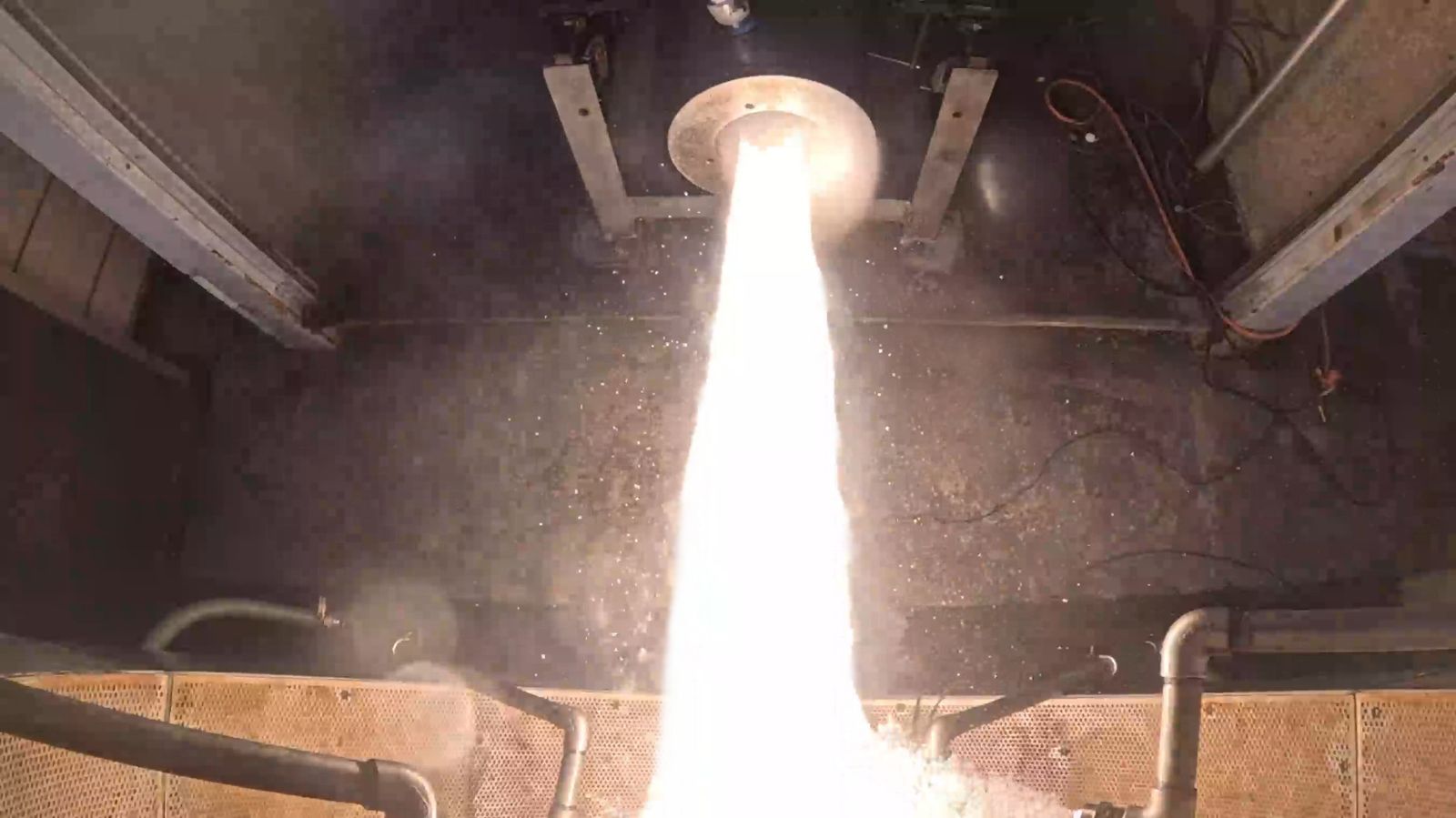
- After focusing on hybrid thrusters for small satellites, Letara now plans to develop large rocket systems for the space, defense and security markets, co-CEO Shota Hirai told TechCrunch.
Compiled by The Product DeskSomething wrong?How this is made
Why it matters
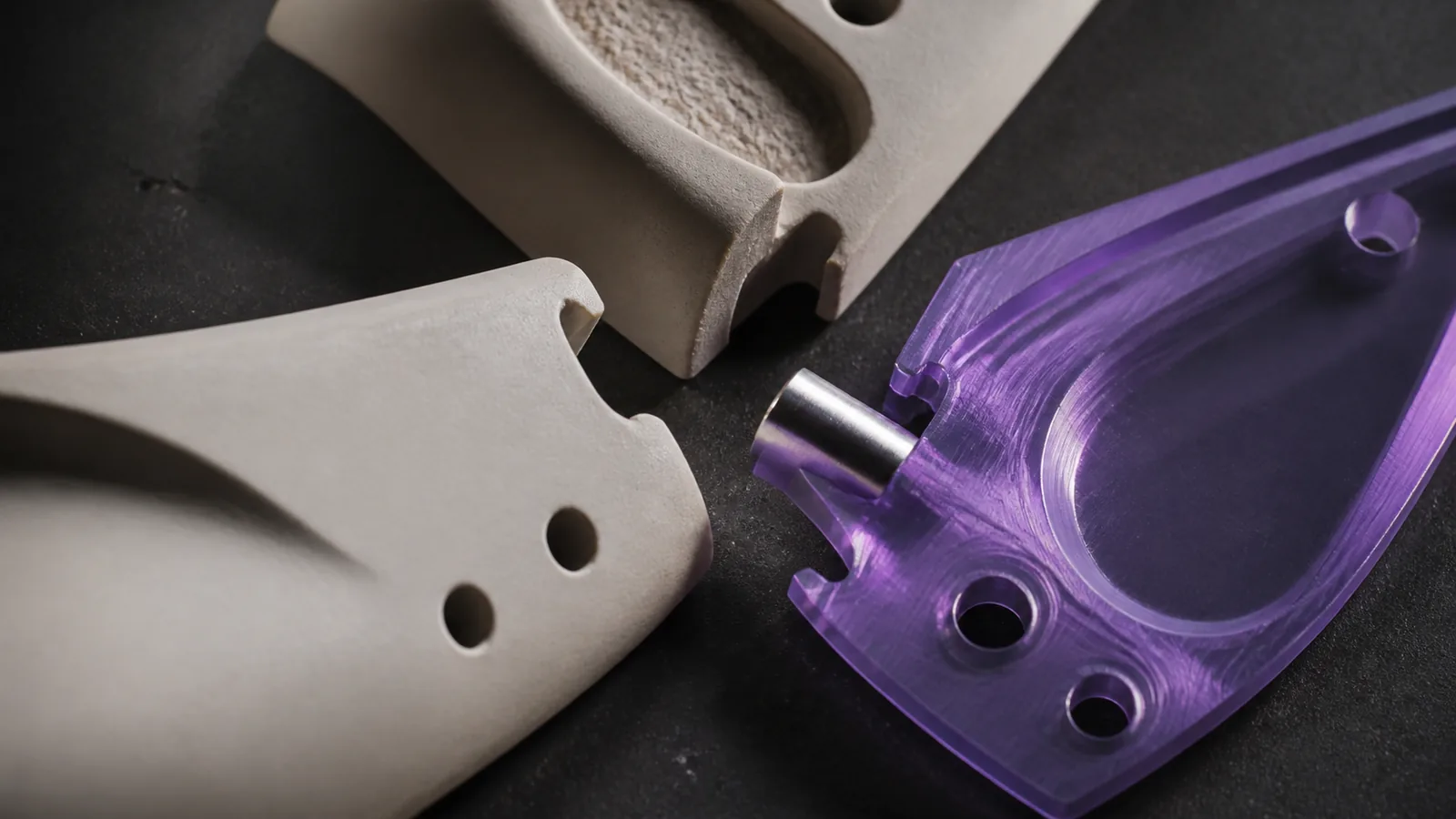
The cap table is the most literal part of this deal. Letara's solid fuel is plastic and rubber, kept separate from the liquid oxidizer, and its claimed edge is a proprietary process that mixes, shapes and compresses those materials so they ignite reliably and burn consistently, delivering more thrust with less waste than hybrids built around expensive paraffin wax [7][8]. One of the strategic investors in the round is Toyoda Gosei, a Toyota Group supplier of rubber and plastic automotive components [4]. A company planning to grow from thruster-sized fuel grains to large motors has just taken money from a firm whose day job is high-volume forming of its exact input material.
The sequencing is worth reading carefully. Co-CEO Shota Hirai told TechCrunch the round takes Letara "beyond demonstrating that thruster in space" [6], and the next major milestone is an in-orbit firing test with an overseas partner [15]. That test has not happened. The move into large rocket systems for the space, defense and security markets [5] is therefore being financed ahead of the orbital proof of the original product, roughly six years after the company was spun out of Hokkaido University to build satellite thrusters [12][21].
Hirai's own framing of the technical problem sets the difficulty. He identifies three things that have limited hybrid propulsion so far: generating sufficient thrust, maintaining performance, and controlling combustion [9]. Those are the properties that get less forgiving as a motor grows, and the defense line is precisely a bet on bigger motors. The in-space argument is more contained: large spacecraft moving from low Earth orbit to geostationary orbit want high thrust to cross the Van Allen belt quickly, Hirai said, alongside what he called insane growing demand for launch vehicles [17].
The market it is aiming at is real but thin. Global hybrid rocket propulsion is projected to reach $2.6 billion by 2032, up from $848 million in 2024 at a 15% CAGR [10], and those endpoints do hold together: a little over a threefold rise across eight years [18]. That is about $1.75 billion of new revenue to be won, and Letara is one of at least seven named players chasing it, across Japan, China, South Korea, Singapore, Germany and Australia [11][20]. Split evenly, that is roughly $250 million each over eight years [19]. Hybrid propulsion expertise is not scarce.
What is scarce is a buyer with a procurement budget. Letara says it already holds orders from rocket and satellite companies and from the Japanese government, without disclosing values [14]. It also says commercial satellites are its largest market for in-space propulsion, while government demand for rocket systems is growing, particularly in Japan [13]. Those are two different products for two different customers, funded out of one Y2.6 billion round [2]. Japan's easing of defense export restrictions is meant to produce domestic startups with global reach [16]; until an export sale exists, the defense and security half of the plan is a bid on one government's schedule.
Claim ledger
Ranked by verification strength, evidence, and original report placement.
- [1]
Letara is a Sapporo-based startup developing hybrid propulsion systems for spacecraft.
ReportedView cited source - [3]
The round was co-led by Headline Asia, JIC Venture Growth Investment and Incubate Fund.
ReportedView cited source - [4]
Strategic investors in the round include NES (Networked Energy Services) Corporation, an energy company; Toyoda Gosei, a Toyota Group supplier of rubber and plastic automotive components; and Frontier Innovations, a Greece-based IT company specializing in data analytics and business intelligence.
ReportedView cited source - [5]
After focusing on hybrid thrusters for small satellites, Letara now plans to develop large rocket systems for the space, defense and security markets, co-CEO Shota Hirai told TechCrunch.
- [6]
Hirai said: "With this round, we will go beyond demonstrating that thruster in space."
Sources & coverage · 2 publishers
The reporting this story was synthesized from, earliest first. Every link goes to the original.
- techcrunch.comKate ParkyesterdayJapanese space tech startup Letara expands beyond satellite thrusters with $16M
- thenextweb.comAna-Maria StanciucyesterdayLetara raises ¥2.6bn (roughly $16mn) for hybrid rocket engines the law does not call explosive
Additional citations
- Shota Hirai, Letara co-CEO, to TechCrunch
- Shota Hirai, Letara co-CEO