Invest1 distinct publisher3 min readPublished
Privy, Bridge, Ourum and Metronome all arrived without a disclosed price. Read the Google 2003 comparison literally and the suite itself is the switching cost, while the collapsed PayPal bid marks the layer Stripe still lacks.
The Investor · Invest desk

Compiled by The InvestorSomething wrong?How this is made
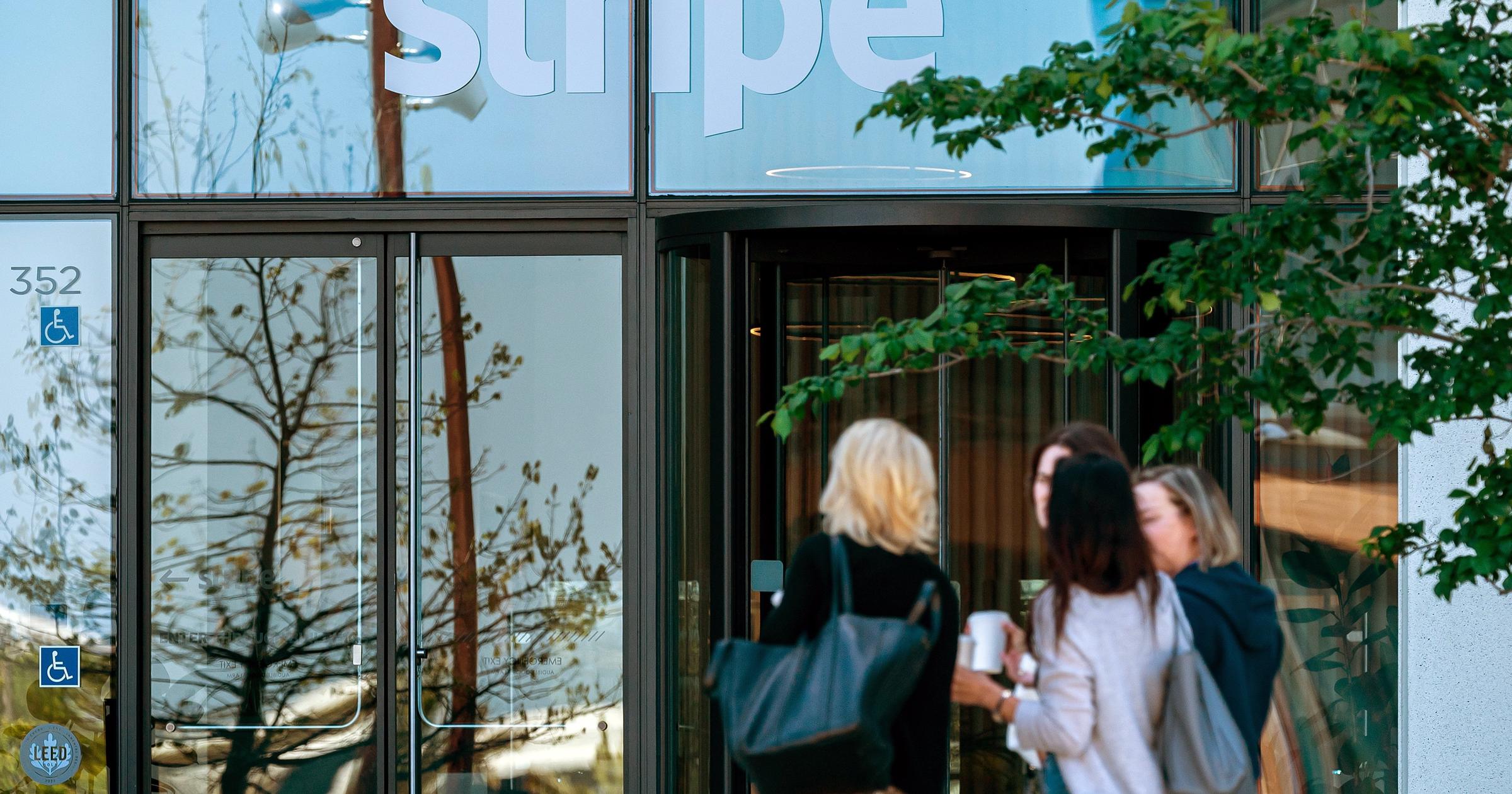
Lock-in is an arithmetic problem for the customer: it holds when the cheapest next step a business can take is the one you already sell it. Stripe now sells wallets through Privy and stablecoins through Bridge [1], account verification and bank transfers through Ourum and usage metering through Metronome [2], so a company that wants to take a dollar on-chain, prove the receiving account is real and bill its own customer by consumption has no second vendor to integrate, which is the same structure the DoubleClick-plus-AdSense suite gave Google in the run that began in 2003 [3]. Fortune reads the spree as consolidating the core while buying capacity in blockchain and AI [15], and that suite is the switching cost.
Then comes the part that resists modelling. Of the five deals since late 2024, exactly one carries a public number, the roughly $7.5 billion for OpenRouter [4], which puts disclosure at one in five, or 20% [13], and the disclosed one is the AI distribution deal rather than any piece of the money stack. So the stack that does the settlement work is, from outside, free, and free is awkward, because a return needs a denominator.
The capital structure is where the Google comparison stops flattering. James Wester of Javelin Strategies told Fortune that Stripe can only bite off so much, being private and relatively constrained in capital [5], while Google did DoubleClick and YouTube flush with 2004 IPO cash [6], a listing that landed in the second year of that four-year spree [14]. Stripe has no such event, so the OpenRouter cheque is money not pointed at a consumer network, and a consumer network was exactly what PayPal was for, at $60.50 a share until the stock rose and the offer went stale [7], complementing a customer base that is merchant-heavy [8].
This is probably wrong, but the collapsed deal reads to me as a budget constraint wearing a culture argument, or rather, the more interesting version is that both are true and only one is quotable: Wester's cultural-fit point [9] explains why nobody inside Stripe is mourning, while the capital point [5] explains why the number could not move to meet the tape. The counter-thesis came from a competitor Fortune asked, that Yahoo also bought aggressively in those years and ended up owned by a phone company a decade later [10], which Wester doubts, crediting Stripe with reading payments correctly so far [11].
My view is that the four unpriced deals do more work than the priced one, because they change what a merchant would have to rebuild in order to leave. It fails if Bridge and Privy stay optional add-ons a customer can swap out rather than the default settlement path, and it fails faster if the four deals turn out to have cost enough that Stripe traded balance sheet for functions it could have partnered for. Four of the five prices stay private, and that is the part of the comparison nobody outside the company can model.
Ranked by verification strength, evidence, and original report placement.
Fortune argues Stripe is strategically absorbing firms that consolidate its lead in its core service while building capacity in blockchain and AI.
Since late 2024 Stripe has acquired two crypto players, Privy and Bridge, described as leaders in wallets and stablecoins respectively.
Stripe has also purchased Ourum, which specialises in account verification and bank transfers, and Metronome, which handles usage-based billing.
In a four-year span starting in 2003, Google acquired the ad tech firms DoubleClick and AdSense, giving it a full suite of digital advertising tools, plus the firm behind the technology in Google Earth and the startups Android and YouTube.
Stripe this month closed on a deal worth around $7.5 billion for the AI distribution service OpenRouter.
James Wester, a research director at Javelin Strategies, notes that Stripe can only bite off so much because, as a private company, it is relatively constrained in how much capital it has to throw around.
Distinct publishers with included, body-backed reporting in this cluster.
fortune.com
1 article · September 2, 2026
Follow any of these and your For You feed starts watching them — no settings page required.
product
PayPal stopped saying no. Payments teams should now plan for a Stripe-owned checkout rail3 distinct publishers
build
Hugging Face's $13B process puts most teams' model pipeline under a single owner2 distinct publishers
invest
The AI deal frame flipped: buy at 15 times revenue, pay with paper marked at 401 distinct publisher
invest
Square puts ACH and paper checks on its credit card, and stakes a claim on payables1 distinct publisher
Evidence-backed comparisons of source perspectives and observed adoption signals. Read the methodology
Which Builder, Operator, and Investor concerns the observed source mix emphasized—not a truth score.
Evidence, demonstrated adoption, hype gap, incentives, and confidence are assessed independently, each on its own current evidence. How these are measured.
One newsletter carries all of it
The four deals, the roughly $7.5bn OpenRouter close and the $60.50 PayPal offer all come from a single Fortune Term Sheet column, with no filing, company statement or second outlet behind any of them. Only one voice besides the writer is on the record, Javelin's James Wester, and the sharpest objection in the piece belongs to a competitor Fortune declines to name.
Purchases, not uptake
Two dated events are here — an OpenRouter deal that closed and a PayPal bid that died — and both are transactions. Nothing in this reporting says whether a single merchant settles over Bridge, how many wallets Privy carries, what traffic OpenRouter routes, or whether Metronome's billing has been wired into Stripe at all. Ownership changed; usage is unmeasured.
The Google analogy outruns the receipts
Placing Stripe beside 2003-era Google is a heavy claim to rest on a deal list where four of five prices are unknown and not one line of evidence shows the acquired rails carrying volume. Fortune does hedge — the Yahoo flame-out, the private-capital ceiling, the culture mismatch and a possible antitrust reckoning all get their sentence — which is why the overstatement is moderate rather than severe.
A deal newsletter, a research firm, an unnamed rival
Term Sheet's job is to make M&A feel consequential, and Fortune's finance editor writes this in that key, comparing his subject to one of the most lucrative acquisition runs in corporate history. The corroborating analysis comes from a research director whose firm sells payments research; the deflating comparison comes from a competitor granted anonymity. To its credit the column names the countervailing force itself, noting Stripe's cultivated 'down-home Irish image' and its Cheeky Pint interview series as the PR machinery a story like this is written inside.
Firm on what was bought, thin on what it cost or does
That Stripe bought these five companies is reported plainly enough to build on. Almost everything a reader would act on next — the consideration paid, whether the PayPal talks are truly dead, how the pieces fit together, whether any of it earns its price — is either absent or forecast. The two forward-looking judgements here, on Yahoo's fate and on eventual legal trouble, have no supporting record at all.