Invest1 distinct publisher3 min readPublished
Sber has put a price on moving Russian trade payments out of the fiat system, and the price is the only quantity it published; the app that would make it self-service is not due until the end of 2026.
The Investor · Invest desk

Compiled by The InvestorSomething wrong?How this is made
Thirty basis points is the only quantity in the package a treasurer can act on, and on a ten-million-dollar invoice it comes to thirty thousand dollars of fee [1]. Everything a credit committee would ask for next is absent: no settled value, no client count, no size for the digital-asset loan book beyond Sber having written the country's first such loan after floating the idea last December and then saying it would scale the product up [13] [4]. What Sber has published is a rate, not a business, and a rate is cheap to print.
The interval is more informative than the tariff. Anatoly Popov told TASS the option arrives for SberBusiness app users by the end of 2026 and that the necessary infrastructure already exists [10], which leaves roughly sixteen months between the Vladivostok announcement and the point at which a finance director can send one of these payments without ringing a relationship manager [2]. What is live now, then, is a desk working deal by deal for exporters and importers whose fiat correspondent routes were closed by sanctions, Sber's own included [8], and Alexander Vedyakhin did not dress it up, promising "faster payments, new markets, and partners previously inaccessible due to restrictions" [7].
The collateral line is the more informative half of this same trade. Taking Bitcoin, Ether and Tether's USDT as security [11], each recently cleared for regulated circulation by the monetary authority [12], lets a Russian exporter sitting on coins abroad convert them into onshore credit without first finding a buyer, and it moves the price risk, the custody question and the liquidation question onto the bank. Sber has published no haircut and named no custodian, which is the number that would separate a book from a headline, and the regulated trading venue it said in the summer it would launch [15] is where any forced sale would have to clear.
Volume could follow the tariff and turn the fee into a toll on a large flow, or the desk could stay bespoke while the 2026 date slips. The binding constraint may instead sit on the far side of the trade: a crypto settlement still needs a counterparty willing to receive coins and convert them, and Sber said nothing about that side [4]. This is probably wrong, but I would expect the collateral desk to outgrow the payment desk, because lending earns a spread against assets clients already hold, while the payment fee only arrives when someone abroad agrees to be paid that way. What would falsify it: a disclosed settlement volume, or the app integration shipping ahead of the date Popov gave, with posted limits [10].
Ranked by verification strength, evidence, and original report placement.
Sberbank is Russia's largest lender and the biggest Russian bank by assets.
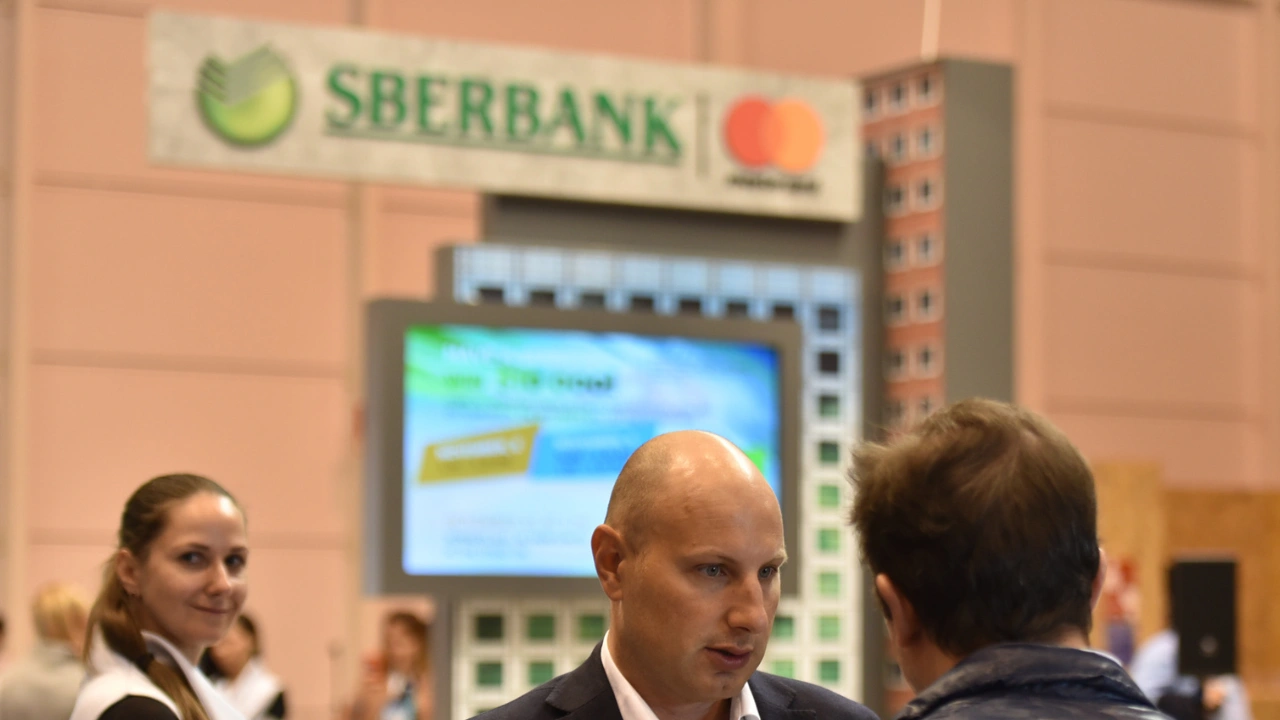
Sberbank has begun processing cross-border cryptocurrency payments for companies engaged in foreign economic activity, offered as a service to corporate clients trading internationally.
Sberbank made the announcement at the Eastern Economic Forum held September 1 to 4 in Vladivostok.
The bill on Digital Currency and Digital Rights was adopted by the Russian parliament in July, signed into law by President Vladimir Putin in early August, and came into full effect on September 1, legalizing crypto investment, exchange and trading.
Sberbank said the average transaction cost of the crypto payment service is 0.3%, lower than with traditional transfers, as quoted by the Vedomosti daily.
Sberbank's press service told RBC that payments between crypto wallets take only a few minutes rather than days, and that all documents required for the bank and for foreign exchange control are generated automatically during the transaction.
Distinct publishers with included, body-backed reporting in this cluster.
1 article · September 1, 2026
Follow any of these and your For You feed starts watching them — no settings page required.
invest
Moscow Exchange to list BTC and ETH perpetuals in September as Russia's digital currency law lands1 distinct publisher
invest
Two years of stablecoin plumbing, and 0.2% of euro area online sellers take crypto2 distinct publishers
invest
BlackRock took 83 cents of every dollar: the bitcoin ETF surge is one fund's week1 distinct publisher
invest
Schwab moves Solana, Avalanche and Chainlink onto its retail shelf at 75 basis points a trade1 distinct publisher
Evidence-backed comparisons of source perspectives and observed adoption signals. Read the methodology
Which Builder, Operator, and Investor concerns the observed source mix emphasized—not a truth score.
Evidence, demonstrated adoption, hype gap, incentives, and confidence are assessed independently, each on its own current evidence. How these are measured.
One chain of custody, ending at the bank
The 0.3% fee, the minutes-not-days settlement and the auto-generated exchange-control documents all originate with Sberbank's press service and executives, reaching readers through RBC, Vedomosti and TASS and then Cryptopolitan. Nobody outside the bank confirms any of it. The one place the account can be checked against itself — a pilot dated to the central bank's September 2024 regime but called nearly two years old — does not hold.
Switched on, unmeasured
Something real did happen this week: the law took effect, the digital ruble opened to the public, and Sber says the corporate service is processing payments. But usage is a blank. No settled volume, no client count, no loan-book size, and the self-service path through SberBusiness is a promise for the end of 2026 rather than a shipped feature.
Priced before it is proven
A fee quoted to one decimal place does a lot of work in a story with no volumes behind it. Vedyakhin's promise of "partners previously inaccessible due to restrictions" and Popov's collateral and trading-venue plans stretch well past what the bank has shown, and the delivery date for the app that would make this ordinary sits more than a year out. The direction of travel is real; the sizing is entirely rhetorical.
Sanctioned issuer, state wire, trade press
A sanctioned bank whose fiat corridors have been cut is announcing that a cheaper, faster corridor now exists — and is the sole source for how cheap and how fast. One of the two executive interviews ran through the state news agency TASS, the venue was a government economic forum, and the outlet carrying it serves readers who reward crypto-adoption news. Each link in the chain benefits from the same conclusion.
Firm on direction, soft on numbers
That Russia legalized cross-border crypto settlement on September 1 and that Sber intends to be its main channel is about as solid as single-source reporting gets — the law, the forum and the digital ruble launch are all datable. Confidence falls away as soon as the story turns quantitative or forward-looking: the fee, the latency, the collateral plans and the app date rest on the bank's word alone, and one of its own timeline figures does not survive checking.