Product1 distinct publisher3 min readPublished
The complaint against Suno argues the company encoded artists' identifying attributes into tokens and used their names for commercial gain, a claim that sits outside the catalogue licensing that ended Warner's copyright fight.
The Product Desk · Product desk

Compiled by The Product DeskSomething wrong?How this is made
The allegation that should interest anyone building a similar feature is about the second attempt. The complaint says Suno's safeguards are easy to circumvent, and that the company captured and stored artist voiceprints that let users get past the guardrails [8][9]. What product teams tell themselves is that a user types a name, hits the block, and goes off to make something else. What this filing describes is a user who rephrases.
That distinction is really a claim about where the asset sits. A name filter operates on an input string. The complaint locates the valuable thing inside the model, in the token database it describes [4], and states the property theory without hedging: Isbell's musical identity does not stop being his because the technology involved is sophisticated [5]. Its own summary of the ask is to recover the value of the misappropriated identities and stop their ongoing commercial exploitation [16]. Isbell, through his manager, declined to elaborate [17].
The copyright track had a counterparty and a price. Of the three record companies named in that fight, one took a settlement and two are still litigating [18]. None of that arrangement touches what these plaintiffs are asserting, because the four named artists are suing in their own names [19]. A catalogue licence is signed by a company that controls recordings. Nobody at that table controls Guy Forsyth's voice [2].
Both accounts of the training data can be literally true at once, which is why this is slow rather than obvious. Suno's chief executive Mikey Shulman wrote last month that the company intentionally chose not to use artist names in its training metadata [10]. The complaint barely argues with that. It alleges the identities were encoded into the model itself, and that Suno then used musicians' names publicly to its own commercial benefit [13]. Removing a name from a field is not the same as removing what the name pointed at, and the whole case sits in that gap. The closer relatives here are not the label suits over Claude's training data [14] but the voice actors' trademark action against Lovo [15].
Two questions sort the exposure for any resemblance feature, and they are not the same question. What is the user reaching for, a particular work or a particular person. And is there a party who could sell you the right to it. Where the answer is a work and a rights holder can sign, money has closed it before [18]. Where the answer is a person, there is no signature available, and the only remaining control acts on the output rather than the prompt box. The metric follows: a blocklist judged by its workaround rate is a control, while one reported as a count of blocks is a statement of intent.
Ranked by verification strength, evidence, and original report placement.
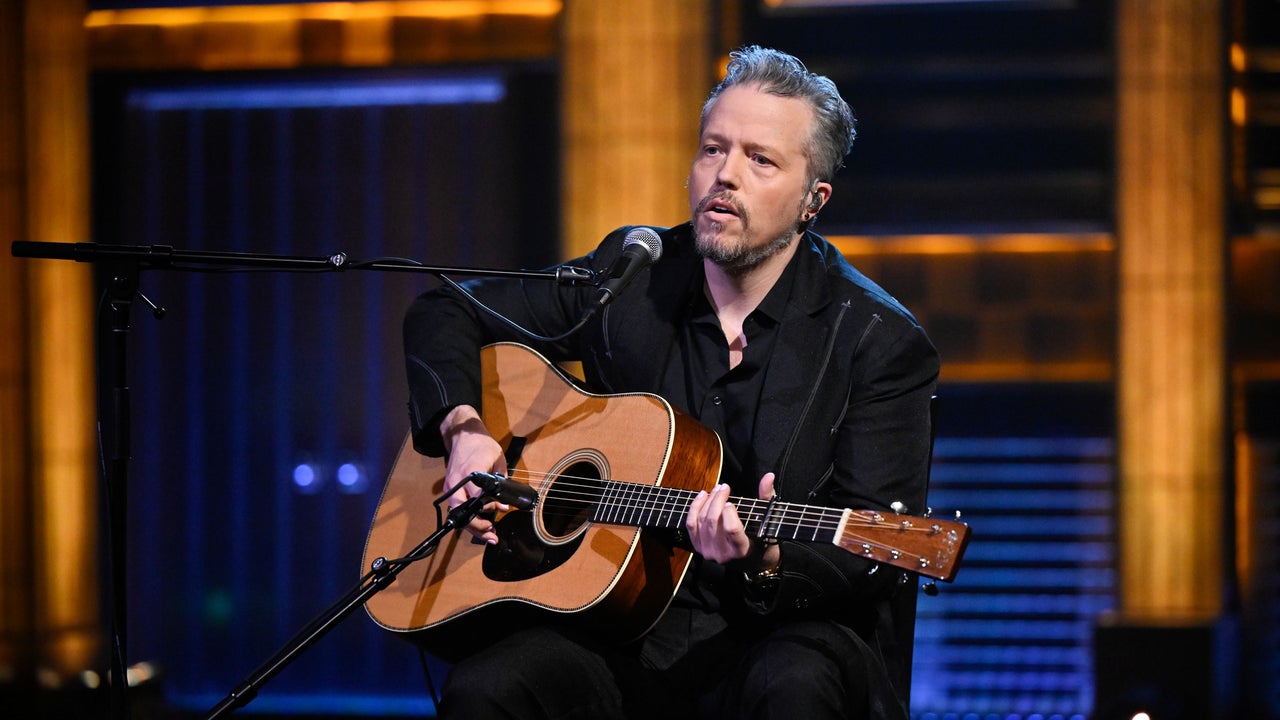
Jason Isbell is leading a group of artists suing AI music generator Suno, alleging the company has misappropriated and exploited their identities.
The plaintiff group also includes Cracker and Camper Van Beethoven frontman David Lowery, Texas blues singer-songwriter Guy Forsyth, and saxophonist Eduardo Calle; the suit was filed in U.S. District Court in Massachusetts.
The suit is unusual in focusing on identity rather than copyright, and the filing opens with an essay on the Borg from Star Trek: The Next Generation rather than with conventional legal accusations.
The filing states that Suno "possesses something uncomfortably like the Borg Collective itself: a vast database of tokens, each capturing the identifying attributes of musicians, organized into formulas whose very existence is defined by the identities Suno ingested".
The filing states: "Jason Isbell's musical identity does not cease to be his property merely because sophisticated technology is involved."
The plaintiffs are seeking class-action status for their complaint as well as unspecified damages.
Distinct publishers with included, body-backed reporting in this cluster.
1 article · September 2, 2026
Follow any of these and your For You feed starts watching them — no settings page required.
leadership
Round Hill's twin suits move the liability from the output to the intake1 distinct publisher
invest
Three labels, one cap table: the majors buy into Stability AI instead of suing it3 distinct publishers
product
Sony and Warner attach a $150,000 per-work price to Anthropic's training corpus1 distinct publisher
build
Anthropic asks court to give dataset identifiers source-code-level confidentiality protection1 distinct publisher
Evidence-backed comparisons of source perspectives and observed adoption signals. Read the methodology
Which Builder, Operator, and Investor concerns the observed source mix emphasized—not a truth score.
Evidence, demonstrated adoption, hype gap, incentives, and confidence are assessed independently, each on its own current evidence. How these are measured.
One newsroom, one filing, quoted at length
The spine of this story is a public court document, and Fast Company quotes it rather than paraphrasing — which is why the legal claims here hold up well. What a single outlet working from a complaint cannot do is test the factual core: that Suno stored artist voiceprints and that its name filters fall over easily remains the plaintiffs' assertion, examined by nobody outside the case. Suno at least answered on the record instead of declining, and its CEO's blog post predates the suit, so both positions are documented even where neither is proven.
No usage or deployment facts in view
Nothing here measures the thing being fought over. There is no figure for how many people generate music on Suno, how many artists' voices the plaintiffs believe are encoded, or how often the name filter is actually evaded — and the litigation itself, however consequential, is not evidence that anyone has adopted or abandoned the product. We would rather say nothing than convert court rhetoric into a usage number.
The complaint argues harder than the record supports
A filing that opens with an essay on Star Trek's Borg is doing persuasion before it does proof, and the claim that a musical identity is property survives no test until a judge says so. Class status is requested, not granted; damages are unspecified; the voiceprint allegation is asserted, not demonstrated. The overshoot is the plaintiffs' rather than the reporting's — Fast Company stays close to the documents and prints the denial — but a reader who takes the Borg passage as a description of Suno's systems has been carried further than the evidence goes.
Every quotable line belongs to a litigant
The colourful language comes from lawyers seeking class certification and unspecified damages. The reassurance comes from a company defending itself while two of the three majors still have it in court and a third has taken a settlement — and Suno's earlier answer to the labels, that they simply don't want competition, shows how comfortably it argues in public. Shulman's blog post on training metadata went up the month before, which makes it read now less like an engineering note than a pre-positioned defence. Isbell's silence through his manager fits the same pattern: the filing is the message.
Firm on what was filed, thin on what is true
We are confident that these four artists filed this suit in Massachusetts, that it advances an identity theory rather than a copyright one, and that Suno rejects it — those are documents, quoted. We are much less confident about the mechanism at the heart of it, and with one outlet, no docket detail, and no independent look at Suno's guardrails, the confidence stops where the filing stops.