Build1 publisher3 min readPublished
Claude Code picks up Monday from the correction card Codex wrote on Saturday
klypix-mcp keeps a team's changing decisions in a brain.klypix file inside the repo, where a correction supersedes a stale card and keeps its history. How much it helps depends on whether the host actually calls the tools.
The Engineer · Build desk
What happened
- A Codex session on Saturday wrote a search-visibility guide, submitted the sitemap to Google and Bing, and recorded what it had done and what was still open in the team's project brain.
- When the team opened Claude Code on Monday and asked it to continue, the session started from Codex's record, knew PR #219 had been merged after an earlier note said it was not, and extended the existing guide.
- The store behind that handoff is klypix-mcp, an Apache-2.0 MCP server that keeps a brain.klypix file inside the repo it belongs to.
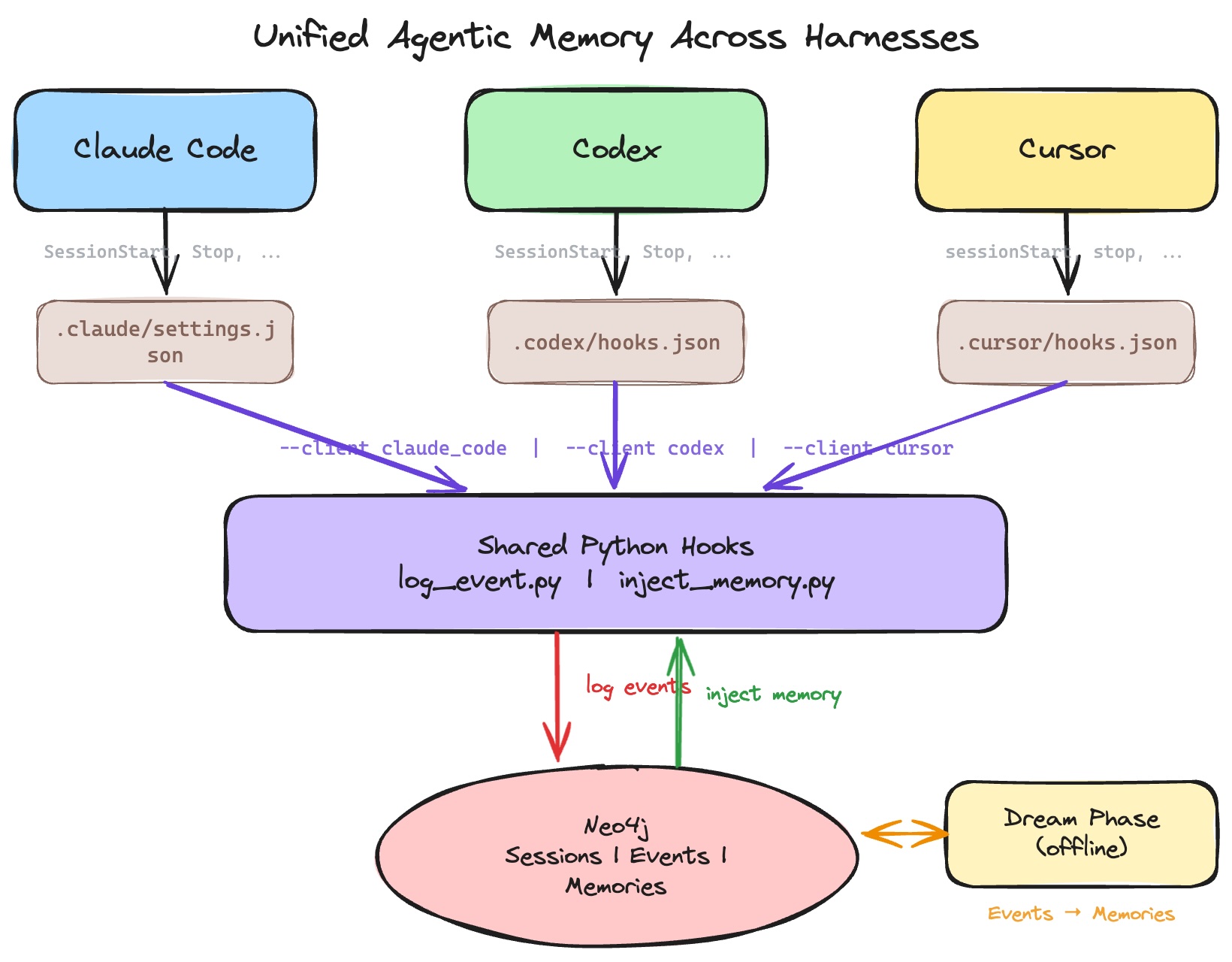
- The team's rule is to keep stable conventions in a Git-tracked AGENTS.md and put changing decisions, corrections, evidence and open questions in one project brain the tools reach over MCP, with Aider going through the CLI.
- Claude Code calls the brain tools automatically, while Cursor and similar hosts leave it to the model to make the call.
Compiled by The EngineerSomething wrong?How this is made
Why it matters
- constraint A team standardising on this accepts uneven coverage across its rotation: on a host where the model decides whether to call the tools, a session can run a whole task without reading the store or writing to it.
- decision Adopting the split means maintaining two records of project truth, so when an agent does the wrong thing the first question is which of them it read.
- cost The running cost is a local process and a file in the repo, with nothing uploaded unless the team explicitly shares it, and the only demonstrated way for a person to repair a card by hand is the Windows desktop app.
What a session sends to `brain_sync` decides how much of this works. The call carries the session's intent and the files it expects to touch, and returns task-relevant context [9]. That declared file list is also the input to the collision check: in the two-session run the post shows, session B declares a file session A already declared and gets an overlap warning [23]. A session that edits without declaring is not in the set being compared [1].
The Monday result also depends on the Saturday session writing at the end of its task, not only reading at the start [1]. Consumers are easy to add. Producers are the discipline.
The correction is the part I would copy. One card said the GEO improvements were prepared in PR #219, with the Vercel preview ready and the PR not merged [17]. A later card, recorded by Codex on 2026-09-12, says the PR is approved, merged and live, "replacing its earlier pending-preview status" [18]. The correction supersedes the stale decision and keeps its history [13]. A rules file in Git says the old thing until someone remembers to edit it, and a session that started from that file has no way to know it is stale [7]. In my view that is the right default for state that changes inside a day.
The challenge output reports its own scope: 1,891 live cards, 87 corrections, 74 open questions [20]. That is one recorded correction for every 22 cards, about 4.6 percent of them [2]. The value depends on corrections landing on the cards a session is about to act on, and the post's example is a case where one did: a Monday proposal to keep PR #219 as a preview came back disputed, with a warning that another agent, codex-mcp-client, had captured the disputing card and should be coordinated with before overriding [21].
Two lines in the write-up are why I trust the rest of it. On the challenge tool: "An empty result is not proof the change is correct; it means no recorded contradiction was found" [22]. On re-verification, a decision can cite the code it was made against, and when that code changes the next Claude Code session flags the card, which the post says detects that the code changed and not that the decision became wrong [14]. Both sentences describe a weaker guarantee than the feature name implies, and both are accurate.
The evidence is one project. The sample cards and the two-session run are presented as real output from the team's own project brain [26]. The post does not describe how two developers' brain files reconcile, and the handoff it demonstrates is one person moving work between tools on one repo [2].
What to watch
- Whether klypix-mcp gains a documented way to reconcile two developers' brain.klypix files, or the single-repo case stays the demonstrated one.
- Whether Cursor-style hosts get a forced brain_sync at session start instead of leaving the call to the model.
- A second team publishing card counts and correction rates for a project whose tooling they did not build.