Product1 publisher2 min readPublished
Workiva ties agent output to human accountability, letting routine tasks run unsupervised
Workiva's chief product officer says agents run unattended only where the task is repeatable and rules-based, and everything else routes to a person who approves the wording. theCUBE, which ran the interview, is a paid Amplify partner.
The Product Desk · Product desk
What happened
- Workiva used its Amplify user conference to put controls, data lineage and human sign-off at the centre of its product roadmap for agents in financial reporting, audit and compliance work.
- Chief product officer Deepak Bharadwaj said an agent can run unsupervised only where the task is repeatable and rules-based, with judgment tasks routed to a person who approves the output.
- SiliconANGLE disclosed that theCUBE, which conducted the interview, is a paid media partner for Amplify and that Workiva sponsored its coverage of the event.
Compiled by The Product DeskSomething wrong?How this is made
Why it matters
- decision Workiva's own autonomy test gives buyers a sorting rule they can apply to any agent pitch in an audit path: work out what the step requires first.
- constraint If approval is the control, the throughput limit on a close is the reviewers' availability, so an agent saves time in preparation and none at sign-off.
- exposure Accountability stays with the employee whose name goes on the disclosure, which means a rollout that skips naming that person in advance leaves the liability unassigned.
- precedent Selling governance as the differentiator invites customers to ask for measured evidence of it; the interview did not include override or accuracy figures.
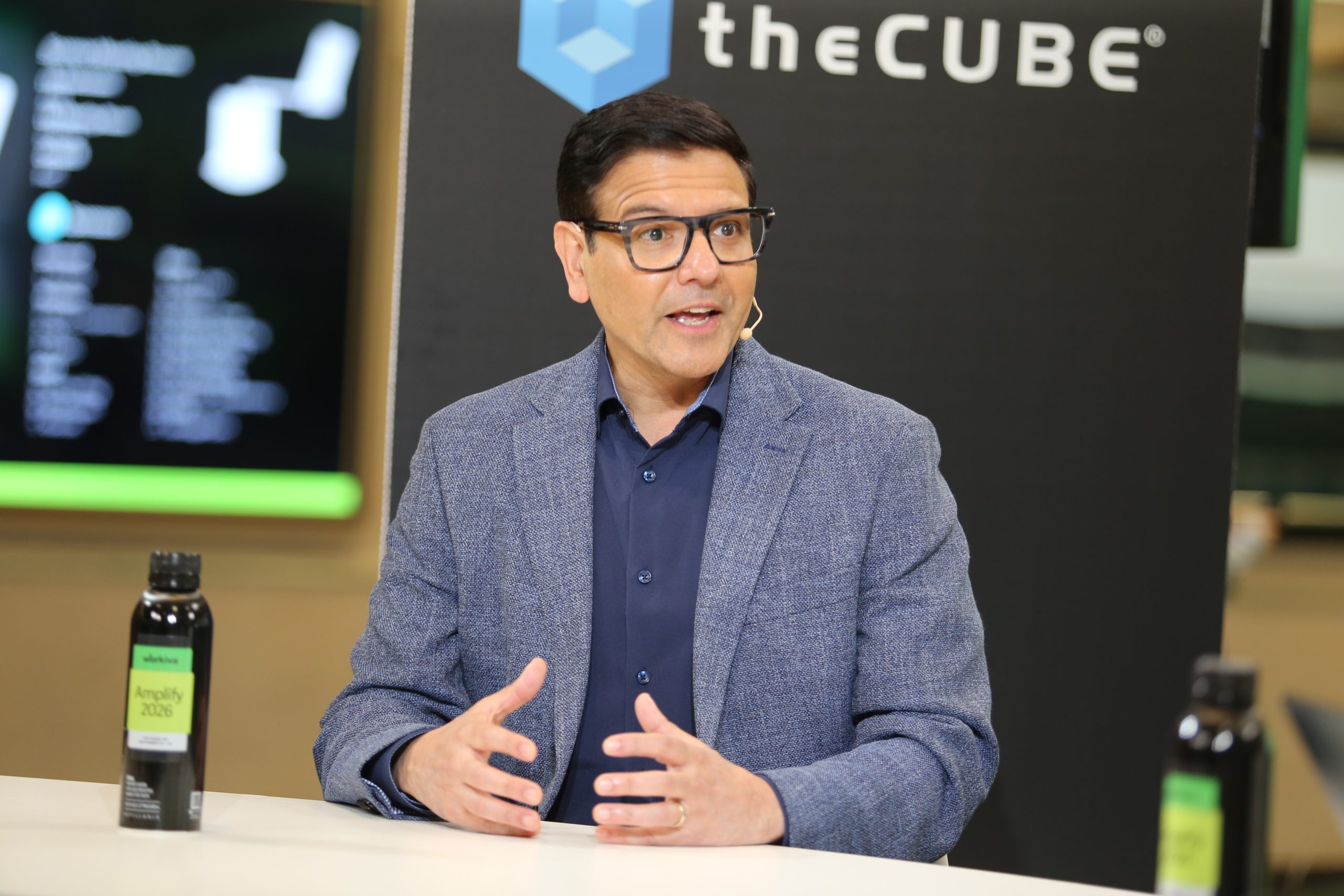
The last mile of a financial disclosure is people negotiating a word. "But if you have tasks that require business judgment, or someone needs to look at it and approve and sign off, that's where humans have to come in and make sure that what the AI is producing is correct," Deepak Bharadwaj, Workiva's executive vice president and chief product officer, said at the company's Amplify conference. "And, oftentimes, that's where multiple people will argue about one word in that disclosure." [4][2]
Workiva's test for autonomy is the task, not the model. Repeatable and rules-based steps can run unattended, and work that needs judgment gets a human in the path, Bharadwaj said [8]. The stack puts guardrails, plain-language instructions and human verification on top of data the platform has already certified, building on the specialized agents and intelligence layer the company launched in July [7].
Two facts about each step in a close decide where it lands. Whether a reviewer would apply the same rule the same way twice, and whether the output ends up in a document a person signs. Rule-bound steps that nobody signs are the candidates for unattended agents. Signed steps keep a named approver whatever the agent does.
Agent Studio, announced at the event, moves authoring out of engineering: business users describe a process instead of writing Python scripts against APIs [6]. That changes who sits in the control. If the person who owns the process also builds the agent that runs it, the buyer has to name who approves the agent's definition before it runs in a live close. Inside Workiva, Bharadwaj said, everything an agent does is bounded by a defined set of capabilities and tied back to a person [9].
theCUBE, which conducted the interview with analyst Krista Case and co-host Alison Kosik, is a paid media partner for Amplify, and Workiva sponsored theCUBE's coverage; SiliconANGLE states that sponsors have no editorial control [10][12]. The interview does not include pricing for Agent Studio, customer numbers, or any measure of how often a reviewer changes what an agent produced [13]. So the defensibility case rests on the vendor's description of its own controls, which a trial can test in one pass: trace a single number from a filing back to its source, and pull the approval record attached to it.
Bharadwaj's version of the accountability question is blunt. "AI is never doing things on its own," he said. "It's doing things on behalf of whoever is supervising it. And, ultimately, someone is going to be accountable. I like to say, 'You cannot send an agent to prison.'" [5]
What to watch
- Whether Workiva publishes Agent Studio pricing or any figure for how often reviewers change agent output.
- Whether external auditors accept the platform's lineage and approval records as evidence during a filing review.
- Whether business-user-authored agents get an approval step of their own before they run in a live close.