Science1 publisher3 min readPublished
Workplace researcher traces generational friction to clashing ideas of which channel is respectful
A workplace-culture researcher says a two-minute talk about channel rules can stop Gen Z staff and older bosses reading each other as disrespectful. The evidence is interview anecdotes, so the fix is plausible but untested.
The Scientist · Science desk
What happened
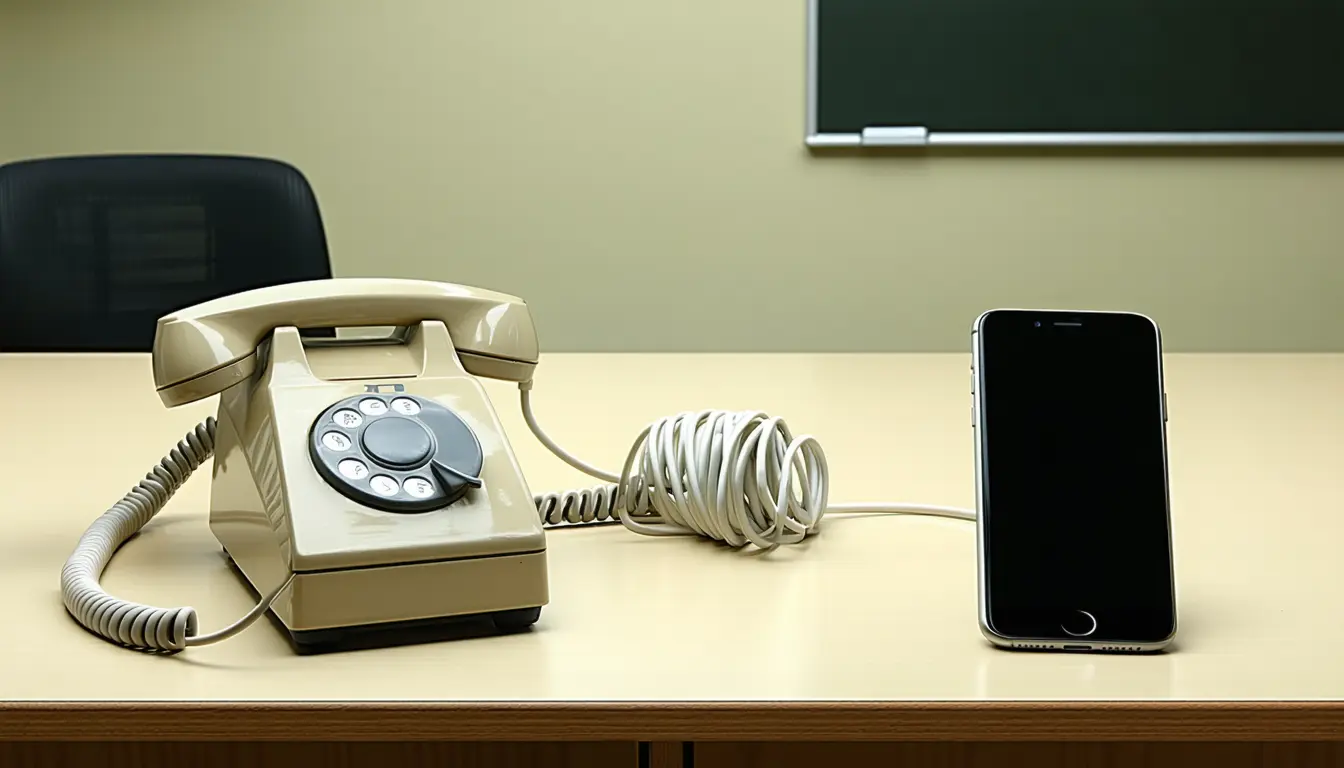
- A Gen Z cafe worker texted her Gen X boss that she would be late, and he was frustrated because he felt lateness called for a phone call.
- She meant the text to save a busy boss time, while he saw the call itself as proof she took lateness seriously, and neither had explained the expectation.
- A Gen Z worker at a large New England blue-collar company told his baby boomer manager about severe anxiety, and the manager was sympathetic but uneasy.
- The author links the gap partly to the pandemic, when many older Gen Z went through college, internships or first jobs as communication moved online.
Compiled by The ScientistSomething wrong?How this is made
Why it matters
- decision A manager who attaches meaning to a channel, such as a call for lateness, has to state the rule, since an employee choosing by a different logic will pick another channel in good faith.
- constraint Age and rank move together in both cases, so the interviews cannot say whether the clash is generational or simply comes with being the boss.
- exposure Managers are hearing mental-health disclosures that older norms kept out of working relationships, and have to decide how much belongs there without either dismissing it or taking on a counsellor's role.
The argument rests on interviews. The author of the essay, published on phys.org, studies workplace culture and communication and sees this kind of misunderstanding as increasingly common in multigenerational workplaces [12]. The two cases recounted in detail each involve one worker and one boss [1][6]. No survey figure, sample size or comparison group appears alongside them.
The cafe case is the better of the two, because both people were trying to be polite. "He's super busy, so I felt a call was going to take up too much time," the employee said. "So I texted. I thought it was more considerate." [2] The author's reading is that both thought they understood respectful workplace communication and simply had completely different definitions of it [3].
The disclosure case has the same shape. "It made me feel uncomfortable, if I'm being honest," the manager said. "I didn't want to downplay his anxiety, but I'm not sure I needed to know." [7] The author attributes this to older workers having learned professionalism as a clear boundary between personal and working life, while Gen Z is coming of age as conversations about mental health become considerably more public [8].
The thing this doesn't tell you is whether age is the variable. In both examples the older person is also the one in charge [16]. A boss who expects a phone call from any late employee, of any age, would feel the same frustration. Two interviews cannot separate a generational norm from a norm that comes with rank.
The pandemic explanation has a similar limit. It is a sensible reason to expect a cohort effect among people who were 18 or 19 in 2020 [10]. It is also a hypothesis about timing, and the essay does not test it against a comparison group, such as older workers who started new jobs remotely in the same years. The author is careful not to rank the generations, arguing that Gen Z does not necessarily communicate better or worse, only that it learned in a very different environment [11].
The recommendation is the part I would keep. Managers, the author writes, should not assume employees attach the same meaning to a form of communication, and if being late requires a phone call, they need to say so [5]. The claim that a two-minute conversation prevents both people leaving convinced the other was disrespectful [5] is not measured here. In my view it is still worth adopting. It costs two minutes, and it helps whether the gap comes from age, from rank or from personal habit. On disclosure the author draws a narrower line: managers do not have to become therapists, employees do not have to disclose everything, and both may need to accept that their own comfort level is not universal [14].
What to watch
- A survey that records channel preferences by age while holding job level constant would show whether the call-versus-text gap is generational or hierarchical.
- A workplace trial that sets explicit channel rules and compares complaints or turnover against teams without them would test the two-minute fix.
- Evidence on AI-drafted messages at work, which the author flags as the next change in how people communicate, would show whether the channel-meaning problem grows or shrinks.