Invest1 publisher3 min readPublished
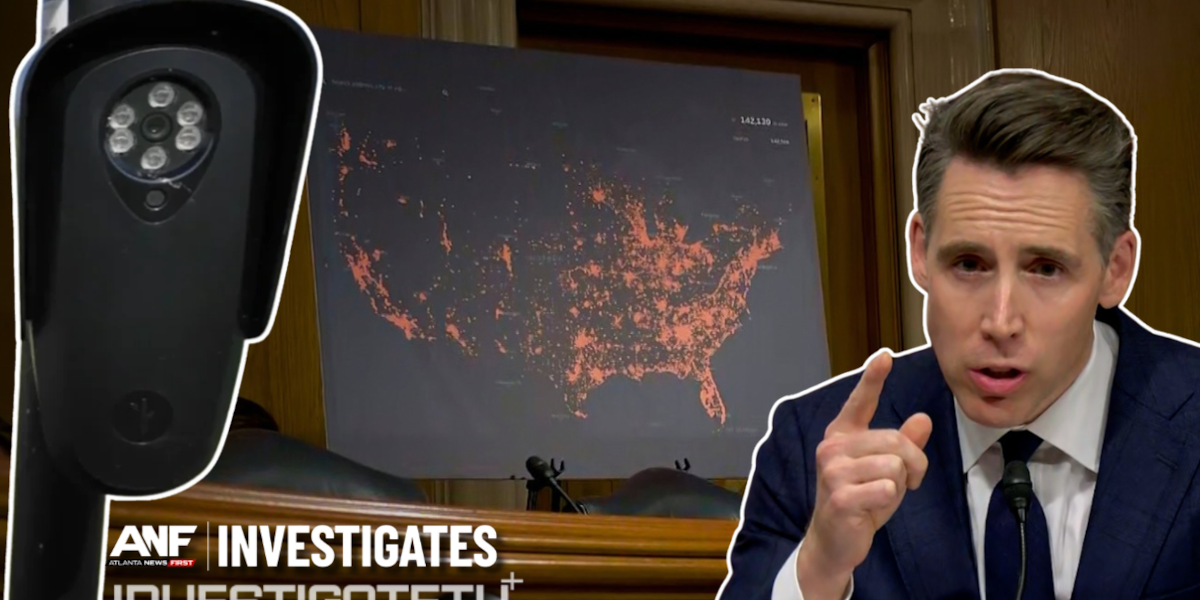
Hawley says his subcommittee should subpoena the four surveillance CEOs who skipped his hearing
None of the invited chief executives of Flock Safety, Axon, Motorola Solutions and Verkada testified on Wednesday, and the only criminal charges on that day's record were against five Indiana police officers accused of misusing the technology.
The Investor · Invest desk
What happened
- Hawley and Durbin invited the chief executives of Flock Safety, Axon, Motorola Solutions and Verkada to Wednesday's subcommittee hearing on AI-powered surveillance cameras, and none of the four appeared.
- Five Indiana police officers were charged with crimes on Wednesday relating to misuse of the surveillance technology.
- Semafor reported on Wednesday that Flock is considering selling itself.
Compiled by The InvestorSomething wrong?How this is made
Why it matters
- exposure The criminal exposure so far sits with the police buyers, not the vendors, so a procurement committee absorbs the first legal cost of joining the network. The vendors face no charges and did not show up.
- contradiction Hawley describes a searchable nationwide database and Verkada says no national network exists for its customers to search, so a drafter has to define the word network before a statute can regulate one.
- constraint Confining searches to each customer's own data would cut the reach behind one subscription from about 120,000 cameras to whatever the buyer installed. The price a subscriber will pay follows that reach.
- decision A subpoena would replace letters from counsel with sworn answers on capability. A company weighing a sale has to decide whether to volunteer that account on its own timetable.
The price in the hearing record is Hawley's own. He flagged the sourcing himself. A Flock customer needs "a single camera and a subscription that I'm told costs about $3,000 annually," he said, and in return gets "a nationwide database of tens of thousands of cameras, about 120,000 in Flock's case and billions of images" [3]. One figure divided by the other puts network access at about 2.5 cents per camera per year [1]. Flock, Axon and Motorola did not respond to CNBC's requests for comment [15].
Verkada answered. The answer was about the word network. A spokesperson said "Unfortunately, our CEO was unable to attend today's hearing" [5], and said that "none of our customers can search a national Verkada network" and that "Our customers can only access the data in their own systems" [6]. The company said it is providing information to the subcommittee as Hawley and Durbin prepare [7].
Durbin, the subcommittee's ranking member, said the executives were avoiding the camera. "For the Flock CEOs, obviously they're nervous about being on camera," he said. "I sure wish they would have joined us today" [8]. The witness who did appear was Lindsey Isaacs, who told the committee she was wrongly accused of being involved in a fatal crash because of a surveillance camera error [9].
Flock's position is on paper instead. In a letter to Hawley dated Sep. 8, chief legal officer Dan Haley said the company recognizes the importance of, and is committed to building upon, the significant and proactive steps it has taken over the last year to strengthen its ability to prevent and detect misuse of its technology [10]. Flock also said it would support "clear, sensible legislation governing how this technology is used," and that "Durable legislation and legal standards are the foundation of the public trust on which our business depends" [11].
The company with the largest plate-reader network in the room, one already open to police customers and credited with helping solve crimes [17], is asking for a statute, and the version of a statute that suits it is the one that makes cross-customer search lawful, logged and expensive to comply with. Either the panel compels the executives and the capability question gets answered under oath; Congress writes the permissive version Haley invited; or Congress writes the Verkada model, under which a subscriber searches only its own footage and the 120,000-camera reach behind a $3,000 subscription [3] stops being the product. In my view the second is the likeliest, on the thin basis that the record holds one letter offering legislation and no bill text.
The subcommittee has not used the power it has. Congressional committees can compel testimony when witnesses do not appear voluntarily [13]. Hawley did not say during the hearing whether he would try to force the companies to appear [14]; speaking to reporters beforehand, he called the no-shows ridiculous, and said the subcommittee has not subpoenaed the companies and should [12].
What to watch
- Whether the subcommittee issues subpoenas, and to which of the four invited companies.
- Whether the sale process Semafor reported at Flock produces a named buyer and a price.
- Whether any bill text defines cross-customer search or limits access to a customer's own footage.