Science1 publisher3 min readPublished Updated
STAT reports investigators are asking about Epic's employee non-competes and its control of hospital data access. No charges are near, but procurement assumptions should move now.
The Scientist · Science desk

Compiled by The ScientistSomething wrong?How this is made
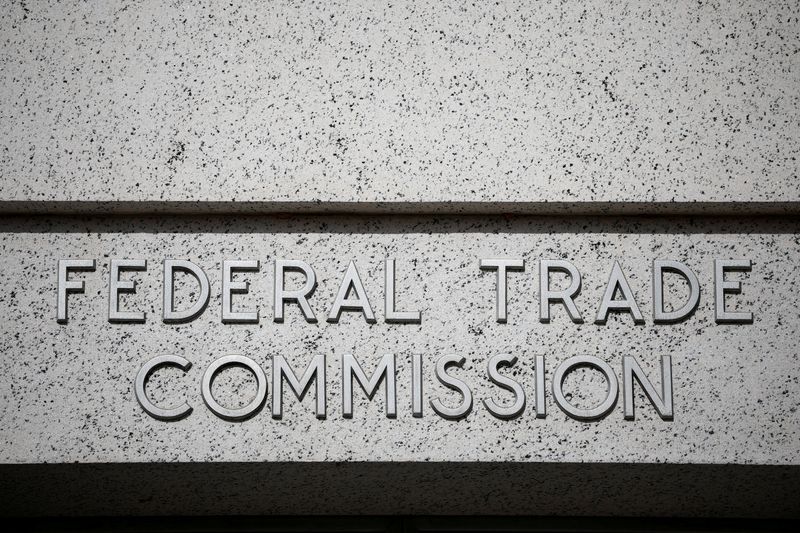
The Federal Trade Commission is examining Epic Systems for potential antitrust violations as part of a broad inquiry into the company's business practices, according to four people recently contacted by investigators who spoke with STAT [1]. The significance is not the odds of a case, which are unknowable and low near-term, but that two contract terms most hospitals treat as fixed features of the landscape are now open regulatory questions.
According to one of those people, the government appears to be running two lines of inquiry [3]. The first concerns Epic's agreements barring its employees from working for a wide range of health care businesses that compete with it directly or indirectly [3]. The second concerns Epic's use of its market position and its leverage over hospital customers to block rival technology companies from reaching patient data those rivals need to operate [3]. State attorneys general have joined calls with interview subjects or contacted their private lawyers for information, all three people who spoke with STAT said [4].
Temper the timeline. The probe is early and may never lead to charges [2], federal investigators do not appear close to filing and could examine Epic for years without doing so [5], and the FTC declined to comment [13]. What the people contacted did report is that the intensity of interest and the number of entities involved have been ramping up in recent months [6].
The dependency is the point. Epic handles electronic medical records for 57% of inpatient hospital beds in America [7], roughly 82% of Americans have at least one record stored by the company [8], and its annual revenue reached $5.7 billion in 2024, up from $3.3 billion in 2020 [9] - a 73% increase in four years [10]. Judith Faulkner started the company in a Madison, Wisconsin basement in 1979 with $70,000 scraped together from friends, family, and acquaintances [20].
Epic did not affirm or deny being contacted. "We're leaders in interoperability to support patient care, and we do not engage in anticompetitive behavior," a spokesperson said, citing being the first EHR enterprise to connect to the national record-sharing network, newly announced standards for exchanging diagnostic images, and more than 1,000 developer connections [11][12].
The private litigation shows what the second line of inquiry looks like from a vendor's chair. CureIS Healthcare, which makes software for managed care organizations, alleged in a 2025 suit that Epic began blocking its access to data held inside customers' own Epic instances after deciding CureIS was a direct competitor to Epic's Tapestry product [14][15]. CureIS says access to customer information, including that of Advocate Health, was denied, and that Epic pressured shared customers by saying it "wasn't comfortable" with CureIS reaching its systems on data security grounds, an explanation CureIS asserts is false [16][17]. The complaint also describes an "Epic-first policy" requiring customers to abandon preexisting third-party tools and forgo non-Epic solutions [18].
Watch whether a state attorney general moves before the FTC does, since the state track is already active [4]. Watch the CureIS docket for what discovery surfaces about the Epic-first policy [18]. And if you are a hospital CIO or a vendor whose product reads from an Epic instance, start documenting access denials and their stated rationales with dates; that record is the raw material investigators are collecting [3].
Ranked by verification strength, evidence, and original report placement.
The Federal Trade Commission is examining Epic Systems Corp., the largest US vendor of electronic health records, for potential violations of antitrust law as part of a broad inquiry into the company's business practices, according to four people recently contacted by investigators.
The probe is in its early stages and may never lead to charges against Epic.
Federal investigators do not appear close to filing charges and may examine Epic for several years without doing so.
One of the people contacted said the government appears to be pursuing two separate lines of inquiry: one focused on Epic's agreements barring employees from working for health care businesses that directly or indirectly compete with the company, and another focused on Epic's use of its dominant market position and leverage over hospital customers to block rival technology companies from accessing patient data and information needed to support their businesses.
Attorneys general in states across the country have joined calls with interview subjects or reached out to their private lawyers to ask for information, according to all three people who spoke with STAT.
The people contacted said the intensity of interest, and the number of entities involved in the inquiry, has been ramping up in recent months.
Publishers with included, body-backed reporting in this cluster.
1 article · August 14, 2026
Follow any of these and your For You feed starts watching them — no settings page required.
leadership
DOJ retires the 1987 letter that underwrote ISS's antitrust comfort1 publisher
product
PayPal stopped saying no. Payments teams should now plan for a Stripe-owned checkout rail3 publishers
leadership
BCG's cloud AI benchmark moves the cost question from the provider to the workload1 publisher
product
A DOJ probe of a16z board seats asks whether venture portfolios are interlocking directorates1 publisher
Evidence-backed comparisons of source perspectives and observed adoption signals. Read the methodology
Which Builder, Operator, and Investor concerns the observed source mix emphasized—not a truth score.
Evidence, demonstrated adoption, hype gap, incentives, and confidence are assessed independently, each on its own current evidence. How these are measured.
Single outlet, four anonymous sources
Everything new here traces to four people investigators contacted, all speaking anonymously to STAT, with the FTC declining comment and Epic declining to say whether it has been approached. No civil investigative demand, subpoena, or state filing appears in the reporting. The surrounding structure is checkable: the share and revenue figures, and two live lawsuits whose complaints and Epic's motion to dismiss are on the public record. So the conduct allegations are documented, while the existence of a federal inquiry rests on testimony nobody has corroborated in public.
Dependency documented at national scale
The dependency under examination is the best-evidenced thing in this story. Epic carries the records behind 57% of American inpatient beds and holds at least one record for roughly 82% of the population, which is why a question about who may reach a hospital's data is a question about most of the country's medical history. Revenue growth of about 73% since 2020, plus expansion into insurer-facing products, indicates the position is still widening rather than eroding.
Questions asked, framed as a planning trigger
STAT is careful about the ceiling it can support: early stage, no charges close, possibly years of examination with nothing filed. Our own framing pushes harder, treating questions put to interview subjects as a reason to revisit procurement assumptions now. The gap is modest but real: questions asked of third parties sit a long way from an enforcement action, and this reporting never suggests otherwise.
Everyone on the record wants a reading
The people describing the inquiry work in or advise businesses that interface with Epic, which is the same population whose complaints reportedly drew investigators in. The allegations quoted at length come from plaintiffs seeking damages, and the denial comes from Epic. STAT covers the health industry for readers inside it, which is part of why the piece is organised around vendor and employee grievances rather than hospital buyers. None of that makes the account wrong; it does mean every party quoted benefits from a particular interpretation of it.
Credible direction, unverifiable scope
That federal and state enforcers are asking questions about Epic fits the litigation record STAT lays out, and the two named subjects, worker mobility and third-party data access, are the same ones the private suits attack. Scope, formal status, and whether the inquiry survives its early phase cannot be established from one outlet with neither the agency nor the company on the record.