Invest1 publisher3 min readPublished
Uber loses $40m in the private forum its own terms of service require
Uber's rider terms sent this claim to private arbitration, where a retired judge found the company vicariously liable for a driver who stopped in a freeway gore point and left two intoxicated passengers there.
The Investor · Invest desk
What happened
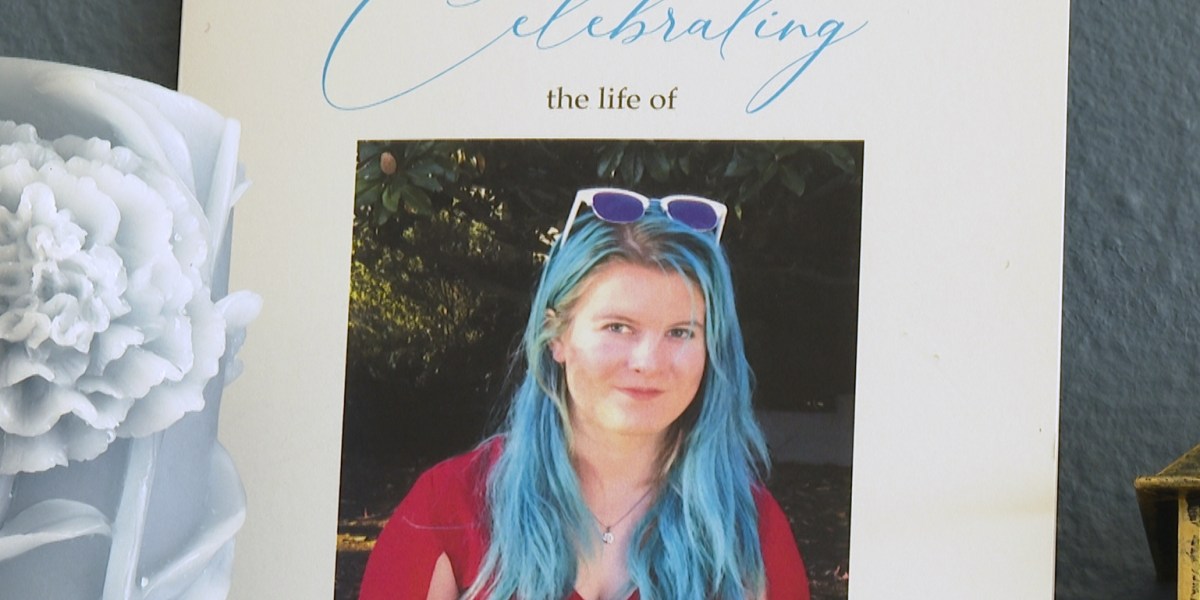
- Arbitrator Richard Stone, a retired judge, held Uber and driver Vu Tran jointly responsible for $20 million to each of the parents of Emily Normandin-Parker, who was killed after the driver pulled over.
- Stone rejected Uber's argument that it is a technology platform connecting riders with independent third-party drivers, and found the company vicariously liable for the driver's negligence.
- The claim went to private arbitration because Uber's rider terms of service require it, and an arbitrator's decision does not establish legal precedent the way a court ruling does.
- The arbitration document is dated July and was released this week by the attorneys for Carol Normandin and Ken Parker.
Compiled by The InvestorSomething wrong?How this is made
Why it matters
- exposure Joint responsibility with no apportionment in the award means Uber can be pursued for the whole $40 million from a single ride, not a share of it.
- decision Uber now has to decide whether mandatory rider arbitration still pays, given that the private forum it requires produced a vicarious-liability finding it says is wrong.
- precedent Future claimants have a retired judge's written rejection of the platform defense to hand the next arbitrator, along with his warning about substantial risk, even though it binds nobody.
- constraint Contractor classification survives here, so the cheap version of the defense is gone: Uber has to argue liability on the facts of each ride rather than on the driver's status.
Uber built the forum. Its rider terms of service require that claims go to private arbitration, so the claim never reached a courtroom and the outcome binds nobody, according to Fortune's account of the decision [3]. The same clause delivered a written finding that the company is vicariously liable for a driver's negligence, and the winning side released the document itself [2][5].
Stone left California's classification rules alone. He accepted that the law lets Uber treat drivers as independent contractors, and held that the permission does not absolve the company of liability [6].
His account of the night is specific about the driver. Tran pulled into a gore point, the area between a ramp and the road, and began arguing with the passenger's friend outside the car [7]. "In a fit of anger, he needlessly placed them (and himself) in danger by illegally stopping in the gore point when he could have easily ... stopped in a safe place instead alongside an active freeway at night," Stone wrote [8]. After Tran left the scene, GPS data shows he pulled over at the next exit and called Uber about securing a cleaning fee, Stone said [9].
The sum is two awards of $20 million, one to each parent, and Stone made Uber and Tran jointly responsible for both [4][1]. The decision as reported does not split the $40 million between the company and the driver [1].
I would not read this as $40 million of legal cost. The cost is what the platform argument runs up in the next arbitration, and the one after, now that a retired judge has written it down as rejected [2]. Stone told Uber to "learn from this tragic incident" and warned that "Should it fail to do so, it no doubt engages in that approach at its own substantial risk" [11]. The counter-thesis is plausible and may well be the right one: an arbitration award sets no precedent [3], Stone himself wrote that "no one presented entirely credible testimony" about the crucial moments [12], and a driver who abandons two intoxicated passengers in a gore point is a bad set of facts that one award can be read against. Uber's position is that the result was wrong. "While we respect the arbitration process, we believe the arbitrator was wrong in holding Uber legally responsible for the tragic events of that night," the company said [10].
What would show the thesis to be wrong is repetition going the other way: later rider claims where arbitrators accept the platform framing, and rider terms Uber sees no reason to amend. The company said it continues to invest in safety with "new technology, policies and safeguards" and guidance to drivers on avoiding unsafe drop-off locations [15]. Carol Normandin and Ken Parker said Friday they hope the award puts a spotlight on their daughter's 2023 death and will fund advocacy for safety standards and transparency in ride-hailing [14]. "They're focused on their bottom line, to the detriment of safety," Parker said of Uber [13].
What to watch
- Whether Uber challenges or moves to vacate the July award, or discloses paying it.
- Whether Uber amends the rider terms of service that routed this claim into arbitration.
- Whether later rider arbitrations cite Stone's reasoning, which any other arbitrator is free to ignore.