Product1 publisher2 min readPublished
NNSA clears the design of a new front end for the 50-year-old LANSCE accelerator
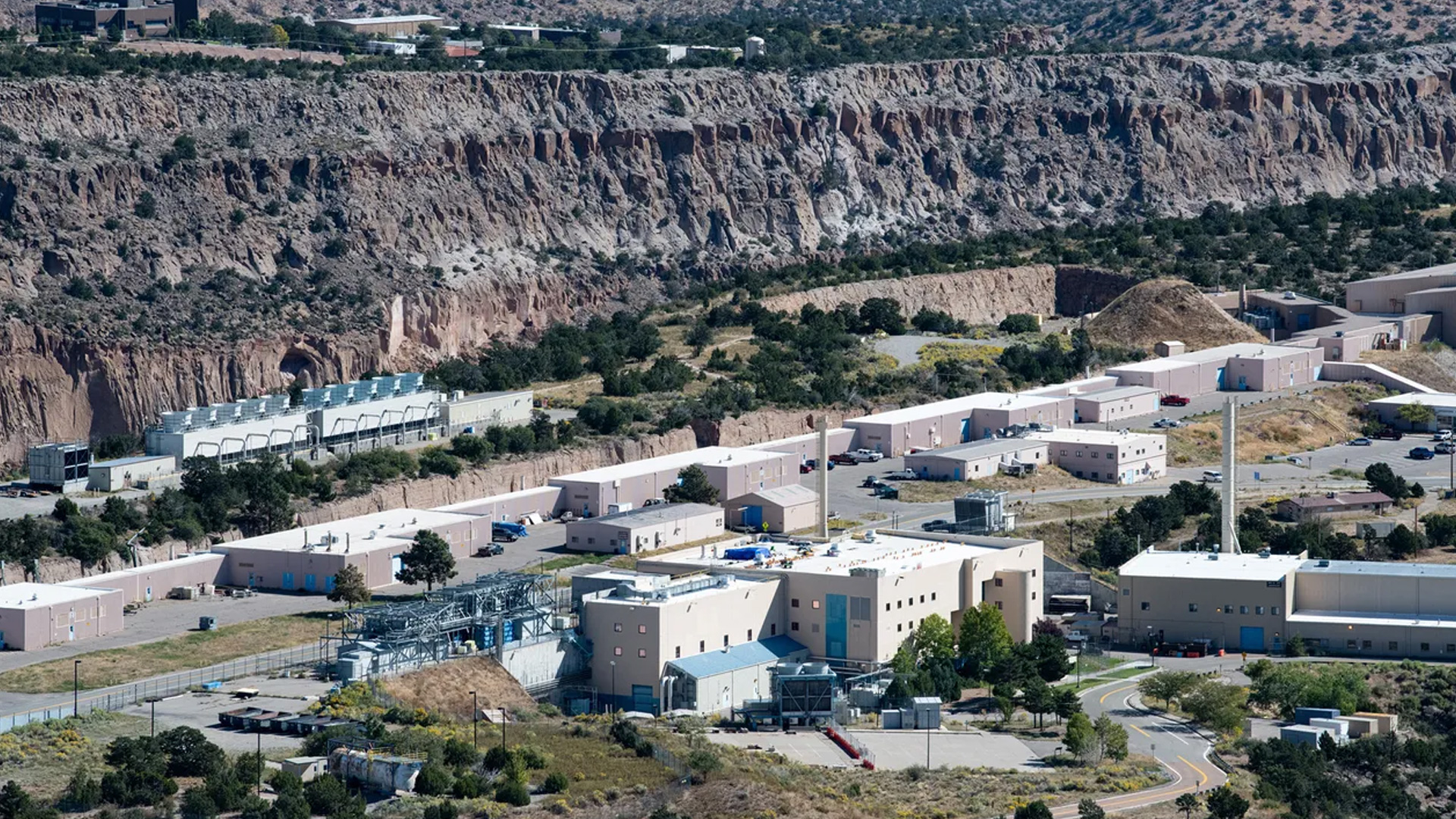
The National Nuclear Security Administration has approved design work on the Los Alamos Neutron Science Center, where much of the infrastructure dates to the facility's first startup and some systems are near the end of their operating lives.
The Product Desk · Product desk
What happened
- The National Nuclear Security Administration granted the LANSCE Accelerator Modernization Project Critical Decision-1 approval on June 1, with authorization from the US Deputy Secretary of Energy.
- Los Alamos estimates the modernization at $687 million to $1 billion, and says the facility will serve both NNSA and non-NNSA customers.
- LANSCE systems have shown end-of-life failure indications and increased downtime affecting the availability and quality of particle beams, and a significant failure in 2019 led to emergency intervention.
- LANSCE is the last US accelerator using certain high-voltage generator technology, and critical components including its drift tube linac have required extensive repairs.
Compiled by The Product DeskSomething wrong?How this is made
Why it matters
- cost Design money is being spent against an estimate, so whoever signs the construction package later inherits whatever the design phase finds inside a front end assembled five decades ago.
- constraint Non-NNSA customers share a machine whose front end is now headed for replacement. Their beam time is tied to a construction plan set by the weapons mission.
- exposure Weapons component qualification for stockpile sustainment, nuclear data generation and radiochemistry work all ride on the existing front end until a new one is designed, funded and installed.
- precedent The approval funds modernizing in place toward a named end year. Operators whose capability is tied to one licensed site now have a costed example to point at.
CD-1 buys drawings. The approval moves the LANSCE Accelerator Modernization Project into a design phase in which engineers develop plans to replace and modernize multiple systems in the accelerator's front end [3]. Los Alamos puts the cost of the work at $687 million to $1 billion [5]. The two ends of that estimate are $313 million apart, which is 46 percent of the low figure [19].
The scope named so far is a front end rebuilt with modern ion sources and other components, with stated goals of better reliability, lower maintenance, safer work and a longer operating life [11].
The laboratory runs dynamic proton radiography, materials science, neutron scattering and nuclear physics at one site, and that site is authorized to use hazardous materials and handle classified data [15]. Los Alamos describes the combination as unique within the United States [16]. Los Alamos did not say what reproducing that mix at another site would cost [20]. Those authorizations are the reason the hardware is being replaced where it stands.
"CD-1 gives us a clear path forward, ensuring LANSCE will continue delivering the world-class accelerator capabilities our national security mission requires," said Charlie Nakhleh, deputy Laboratory director for Weapons at Los Alamos [12].
Pat Fitch, deputy Laboratory director for Science, Technology and Engineering, put it as a maintenance problem. "Moving into the design phase is a crucial step toward addressing aging infrastructure challenges so that the facility can consistently exercise the experimental capabilities that address national security needs and important scientific challenges," he said [13].
A repair-or-replace call on plant this old turns on whether the capability depends on site permissions and co-located instruments, as LANSCE's does [15], and on whether the modernization names the year it is meant to reach. A named end year is what distinguishes capital work from maintenance that keeps recurring. LAMP names 2050 [4].
"The LANSCE modernization helps ensure we can continue delivering on mission-relevant science for decades to come," Fitch said [14].
What to watch
- Whether the next approval milestone narrows the cost estimate once a front-end design exists.
- Whether non-NNSA users get a published outage plan for the period when the front end is swapped.
- Whether the design drops the last-of-its-kind high-voltage generator technology or rebuilds it.