Product3 publishers3 min readPublished
a16z puts $1.1bn into the hardware its software portfolio is waiting on
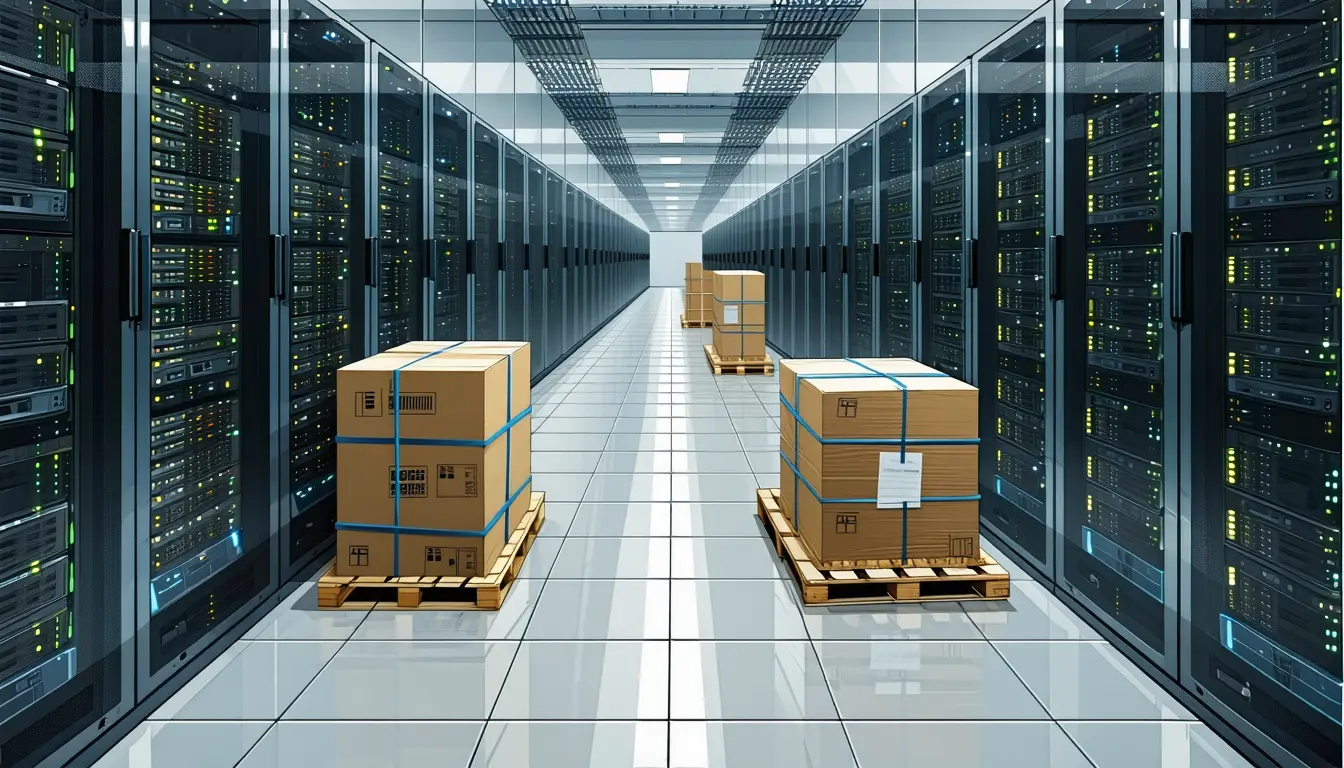
The Machine Age Fund goes to chips, memory, networking, data centers and robotics rather than models or apps, which is a working judgment that what slows AI products now is rack power and lead times.
The Product Desk · Product desk
What happened
- Andreessen Horowitz raised $1.1B for a fund it calls Machine Age, whose stated purpose is accelerating the physical buildout of AI rather than backing models or applications.
- The money is earmarked for chips, memory, networking and storage, and for full systems including data centers, robotics and home AI appliances.
- a16z cites 28X compute density per rack from an H100 rack to a Rubin rack as the reason every layer beneath the chip now needs rebuilding.
- The firm says the hardware supply side is accustomed to 20% to 30% annual growth at most, while keeping up with AI demand would take triple-digit growth.
- Hardware startups now account for over 20% of a16z's deal flow, up from a small share a couple of years ago, which the firm reads as founders responding to the same bottleneck.
Compiled by The Product DeskSomething wrong?How this is made
Why it matters
- cost Once power comes from behind-the-meter and captive supply rather than the grid alone, the electricity behind a feature is procured under a contract your team never sees, and reaches you as vendor pricing you cannot itemise or challenge.
- constraint If the parts side compounds slower than demand, the release date on anything inference-heavy is set by allocation rather than by model quality, and no amount of prompt work shortens that wait.
- contradiction TechCrunch reads the fund as a break from a16z's software focus while a16z points to Skydio in 2016, SpaceX, Anduril in 2019 and Waymo in 2020 as continuity, and which reading is right decides how long hardware capital stays available to the founders selling you parts.
- precedent More of the AI companies pitching product teams will be selling systems and components, which drags procurement back toward lead times and purchase orders instead of monthly seats.
a16z's post carries the numbers that make its own case, and they are electrical. A rack that used to draw roughly 5 to 10 kW now draws 100 to 250 kW for current systems, and the firm expects 1 MW per rack within three years [4]. That projection is a hundred times the top of the old range, dividing 1,000 kW by 10 kW [14], and the 250 kW ceiling deployed today is already 25 times it [15].
Put that beside the compute figure in the same list: 28X density per rack from an H100 rack to a Rubin rack [3]. The post does not tie the two figures to a common window, so the comparison is rough, but on a16z's own numbers the density arrived with power draw moving in rough proportion [3][4]. Which is why the rest of the argument reads like an electrical plan rather than a software thesis. Copper cabling inside the rack is at its limit [5]. The firm calls the buildout a social and national imperative [13], and underneath that framing sits the wiring that has to carry it.
The planning number is the supply one. a16z says the hardware industry is used to growing 20% to 30% a year at most, and that catching up with demand needs triple-digit growth [8]. Compound the generous end of that habit and capacity doubles in about two years and eight months, from ln 2 divided by ln 1.3; triple-digit growth doubles it annually [16]. The distance between those two doubling times is the queue an inference-heavy feature sits in.
Teams tell themselves the constraint is model quality, and that next quarter's release moves the roadmap. But the calendar of the person who has to answer for the date runs on allocation, and on lead times for parts nobody in the product review can name.
a16z's reason for expecting demand to outrun supply is worth borrowing even if you never take its money. As work moves from chat to reasoning to coding, the firm says both the volume of work and its token intensity rise by orders of magnitude [12]. That yields a two-by-two you can fill in tomorrow. First axis: when you make the feature better, does cost per user action stay flat or climb? Second axis: is your capacity contracted, or bought on your vendor's goodwill? Flat cost on contracted capacity ships on the date you wrote, while climbing cost on uncontracted capacity ships only when someone else's rack lands. For anything in that last cell, the roadmap line needs a second column naming the dependency and whoever owns the queue, because that is the thing being done, whatever the deck says is being pitched.
What to watch
- Whether deployed rack power actually tracks toward the 1 MW figure a16z projects for three years out, or settles near 250 kW.
- Whether hardware stays above a fifth of a16z's deal flow once model-layer rounds get cheap again.
- Whether capacity contracts offered to mid-sized buyers start naming delivery windows rather than credits.