Loading today’s stories
Science1 distinct publisher3 min readUpdated
Tauranga's own review: the hazard was known, the fix was cheap, and nobody owned it
Paul Davison KC's report into the 22 January 2026 Mount Maunganui holiday park landslide calls the tragedy preventable, and sets a bar every New Zealand council holding a known-hazard site now has to meet.
The Scientist · Science desk
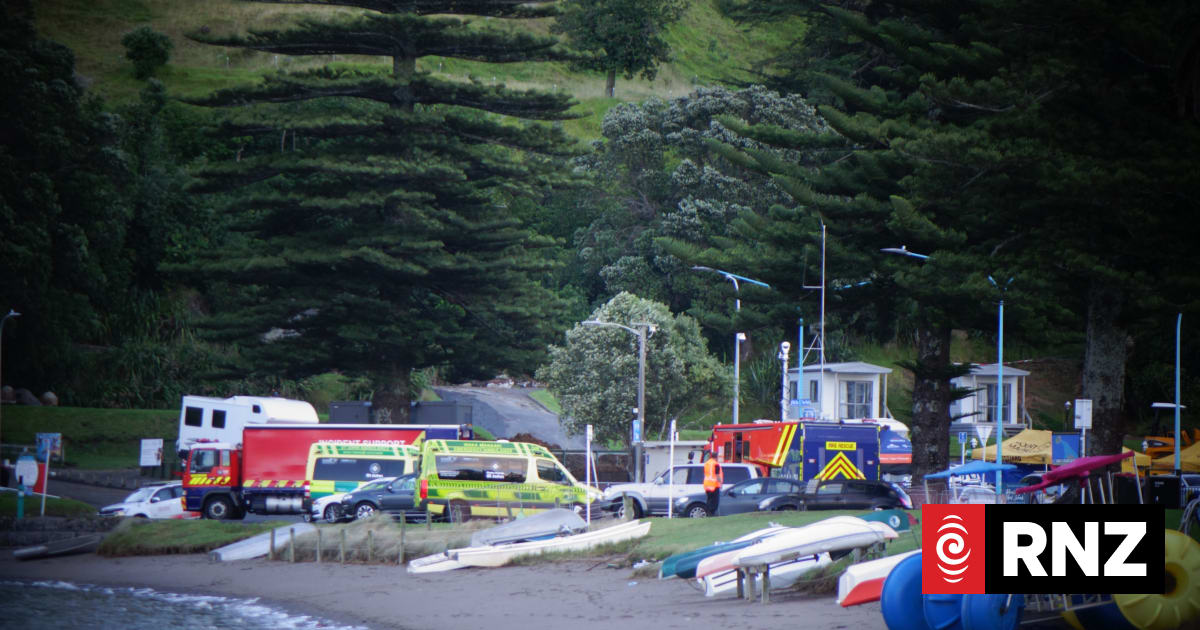
What happened
- An external review commissioned by Tauranga City Council into the 22 January 2026 Mount Maunganui Beachside Holiday Park landslide released its report, and has been extensively covered in the New Zealand media.
- The review states: 'What this Review does find is that this tragedy was, in the end, preventable.'
- The review states that no one could have known the slope would fail at that moment, but that the hazard was known, that an effective and inexpensive means of managing the risk it posed had twice been recommended, and that the Council had every opportunity to put it in place.
- The review's terms of reference: it examines the facts, timeline and decision-making processes leading up to the landslide, the adequacy of risk assessments and monitoring systems, and any lessons or improvements needed to strengthen future safety; it is separate from the Government Inquiry and the investigations being undertaken by the Coroner, Police and WorkSafe. It was undertaken by Hon. Paul Davison KSO KC.
- The review does not look at the initiation of the landslide; it is about the management of the risk.
Compiled by The ScientistSomething wrong?How this is made
Why it matters
The external review that Tauranga City Council commissioned into the 22 January 2026 landslide at the Mount Maunganui Beachside Holiday Park has been published, and it finds the tragedy was, in the end, preventable [1] [2]. The finding matters well beyond Tauranga because it does not rest on anyone predicting when the slope would fail; it rests on documents the council already held [3].
The review, by Hon. Paul Davison KSO KC, was scoped to examine the facts, timeline and decision-making leading up to the landslide, the adequacy of risk assessments and monitoring systems, and lessons for future safety; it is separate from the Government Inquiry and from the investigations by the Coroner, Police and WorkSafe [4]. It therefore does not address what initiated the failure, only how the risk was managed [5].
On that, the language is blunt. The hazard was known, an effective and inexpensive means of managing the risk it posed had twice been recommended, and the council had every opportunity to put it in place [3]. Because it did not, the most consequential decision of 22 January, whether to move people away from the foot of the slope, was left to the unaided judgement of whoever happened to be on site that morning, rather than being made in advance against defined criteria that the day's readily observable conditions would plainly have met [6]. What was required, Davison writes, was not extraordinary foresight but the discipline of a well-run organisation: a known risk to life owned by someone, recorded, escalated and followed through until mitigated, and staff on site equipped to recognise the danger and act [7].
Multiple studies had already shown the risk to life at the campsite was unacceptably high [8]. By some calculations the impact was lower than had been feared, principally because individuals at the site recognised the risk and began raising the alarm; had the landslide occurred in the early hours, the toll would probably have been higher [9] [10]. That is a system rescued by people, not by process.
The recommendation with the longest reach is the one aimed at every other site on the books. For every populated site it controls with a natural-hazard risk to life assessed as Medium or higher, the council should require, not merely consider, a Trigger Action Response Plan, capable of immediate implementation in a simple initial form such as staged evacuation of defined runout zones when rainfall exceeds a defined return-interval threshold over a defined duration, and refined over time as a living document [11] [12]. Read across the country, that turns every existing hazard assessment sitting in a council risk register into a standing obligation to write a trigger and a threshold, and the conclusions here appear at page 204 of the report, so the paper trail is not short [13] [1].
The Landslide Blog at Eos, which reviewed the report, says there is little in it to disagree with and that the consequences for the council are likely to be serious, noting that in the United Kingdom such a report would open a path to both civil and criminal action at institutional and individual level [14] [15]. The same commentary cautions that warning systems and evacuation plans are not a magic bullet, being prone to uncertainty, equipment failure, false alarms and non-compliance, though that is no excuse for having none [16].
Watch whether other territorial authorities adopt the "require, not merely consider" wording before the Government Inquiry, Coroner, Police and WorkSafe processes conclude [11] [4].
Loading topic controls
Loading related stories