Loading today’s stories
Science1 distinct publisher3 min readUpdated
A pastry with protein is a labelling decision, not a training programme
A biologist's tour of protein science, written against the marketing, lands on an unglamorous point: the grams on the front of the pack are not what most shoppers are short of.
The Scientist · Science desk
What happened
- The Conversation article, written by a biologist who researches proteins essential for nerve and muscle cell function, argues in its headline and premise that more protein in your breakfast or snacks will not give you more muscle without more work.
- Grocery shelves now carry protein-enriched cereal, pasta, chips, coffee, bread and protein-fortified Pop-Tarts, alongside protein shakes and bars.
- The author states that many people are already getting adequate amounts of protein in their diet.
- Protein is one of three macronutrients; carbohydrates and fats are the major energy sources, and while protein can be used for energy its main purpose is building and repairing the body.
- Protein is also needed for the nervous system, immune system, skin, hormones and other essential components, even though marketing of protein-rich foods focuses on muscle.
Compiled by The ScientistSomething wrong?How this is made
Why it matters
Protein is a substrate. Substrates get consumed when something demands them, and for skeletal muscle that demand is mechanical work. The biologist writing in The Conversation, who studies proteins essential for nerve and muscle cell function, states the conclusion in his own headline: more protein in breakfast or snacks will not give you more muscle without more work [1]. Protein's main purpose in the body is building and repairing [4]. Repair is a response to something, not a purchase.
What fortification sells is a single number on the front of a package. What determines whether that number does anything is a longer list. Nine of the twenty amino acids in proteins are essential, meaning the body cannot make them and has to get them from food [6], which leaves eleven it manufactures itself, so only 45 percent of the set is diet-dependent at all [1]. Completeness varies by source: most protein-rich plant foods, including most beans, nuts and rice, are low in one or more essential amino acids, with soybeans the exception [8]. Powders inherit the same problem, and plant-based ones tend to run lower in one or more essential amino acids and lower in total protein than animal-based ones [9]. Digestibility moves too, with animal proteins generally more digestible than plant proteins and cooking generally improving absorption [7]. A gram on a label is therefore not a unit of physiology; it is a unit of gross composition, silent on which nine and on how much of it you will actually absorb [2].
Then there is the denominator. The article's claim is deliberately modest: many people already get adequate amounts of protein in their diet [3], and the author is explicit that while protein's necessity is barely debated, working out how much you need is the harder calculation [11]. That is weaker than the version the category implies, and it is worth keeping it weak. "Many people are adequate" is not "everyone is oversupplied," and a piece that respects its own evidence stops there.
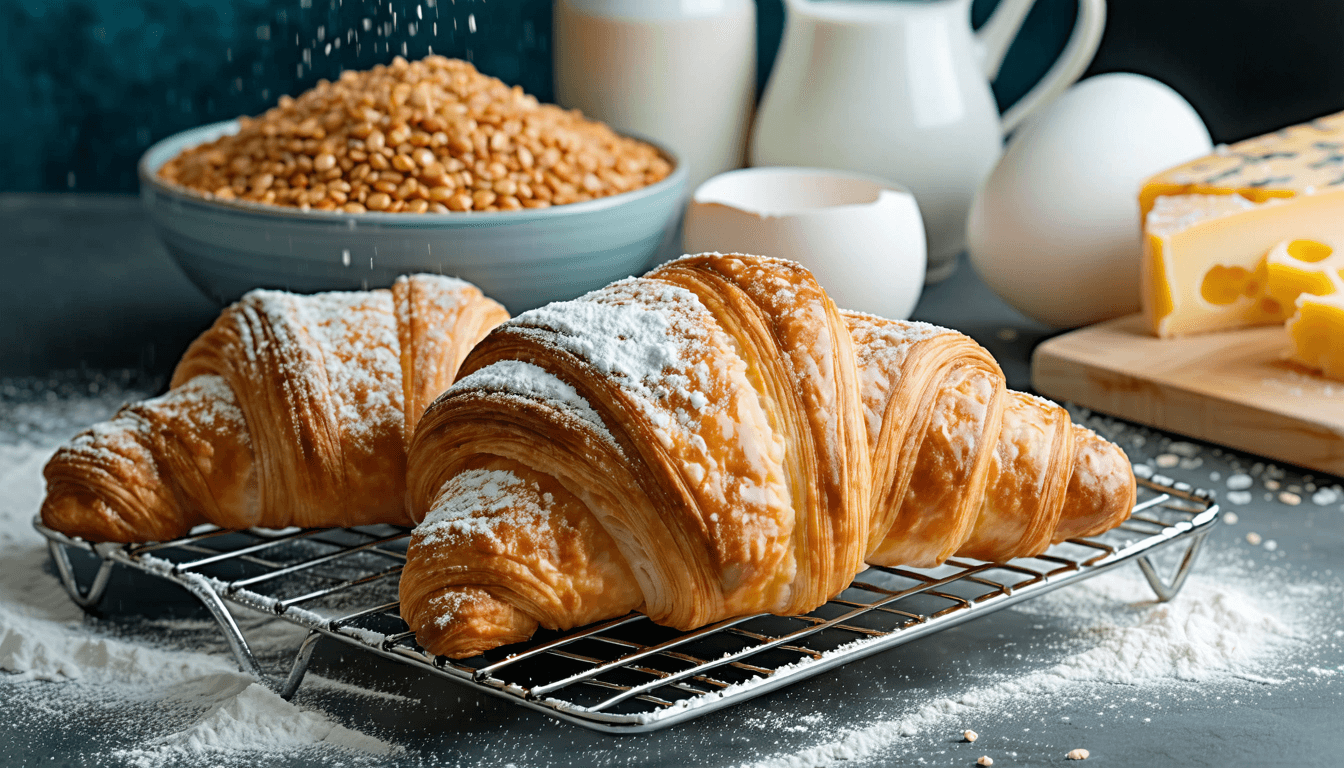
Against that, the shelf keeps growing. Protein-enriched cereal, pasta, chips, coffee, bread and protein-fortified Pop-Tarts are all on sale now [2], and the author reads a sweet breakfast pastry marketed as a protein source as the clearest sign that food companies are capitalising on rising consumer interest [10]. The clinical advice it displaces is unbrandable: eat a variety of protein sources, including some complete ones [12]. No single fortified item satisfies that instruction, because variety is the instruction.
The nutrient is also doing work far from the biceps, in the nervous system, immune system, skin and hormones, even though the marketing points at muscle [5]. Fortification is aimed at the one input a well-fed shopper is least likely to be limited by.
Topics and entities
Follow any of these and your For You feed starts watching them — no settings page required.
Topics
Loading related stories