Security1 publisher3 min readPublished
Microsoft is investigating whether its own August Patch Tuesday build breaks apps on Windows 11
KB5121003 shipped Secure Boot changes alongside fixes for 400 vulnerabilities. Microsoft now says it is checking whether the same update stops software from running on 24H2 and 25H2.
The Watch · Security desk
Drafted by a language model from the sources cited here and checked against its claim ledger before publication. How we use AISend a correction
What happened
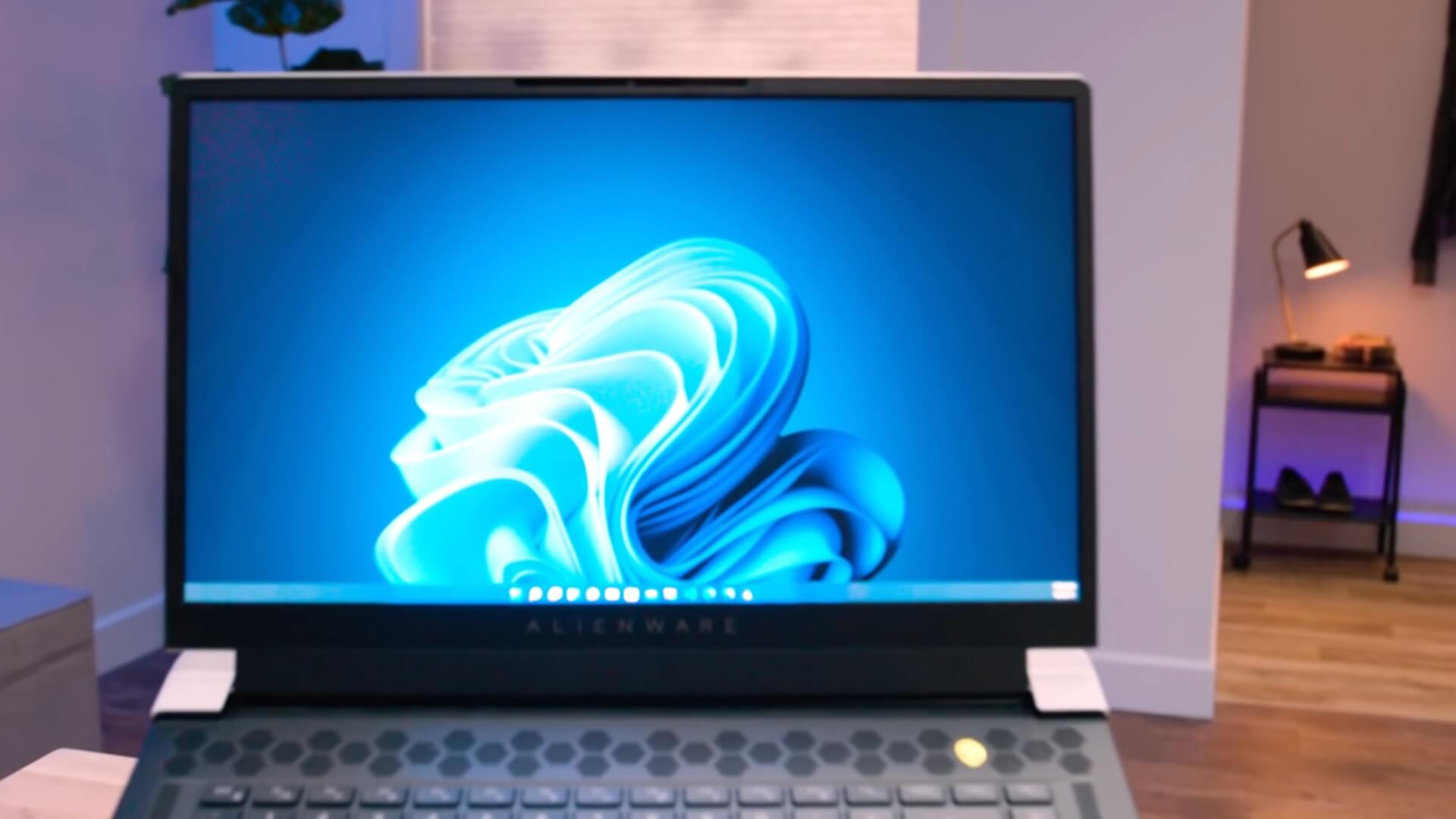
- Microsoft is investigating a potential issue with the August 2026 Windows updates that may prevent some games from launching or cause them to crash on affected Windows 11 systems.
- The confirmation follows user reports that a limited number of games, including ARC Raiders, MARVEL Tokon: Fighting Souls, and The Finals, become unresponsive on devices running Windows 11 version 25H2 and Windows 11 version 24H2.
- The complete list of symptoms on impacted systems includes games freezing, games closing without notice, EXCEPTION_ACCESS_VIOLATION errors, and unexpected system restarts.
- Microsoft said in a Windows release health dashboard update on Wednesday: "Following the release of Windows updates on August 11, 2026 (KB5121003) and later, Microsoft received reports of issues involving inability to run games as expected."
- Microsoft said: "We are presently investigating to determine if this is an issue caused by Microsoft. We will provide an update when more information is available."
Compiled by The WatchSomething wrong?How this is made
Why it matters
Microsoft has confirmed it is investigating reports that software will not run correctly on Windows 11 24H2 and 25H2 after the update it shipped on August 11, 2026, KB5121003 [1][4]. The same Patch Tuesday closed 400 vulnerabilities, one of them actively exploited and two publicly disclosed [8], which means the fleets most exposed to this defect are the ones that did what security teams tell them to do.
The reported symptom set is broader than a launch failure: applications freezing, applications closing without notice, EXCEPTION_ACCESS_VIOLATION errors, and unexpected system restarts [3]. The reports so far centre on a limited number of games, including ARC Raiders, MARVEL Tokon: Fighting Souls, and The Finals [2], which is three named titles [13]. Anti-cheat and DRM layers are the usual suspects in that pattern, but nothing in Microsoft's statement identifies a mechanism.
On its release health dashboard, Microsoft said that "following the release of Windows updates on August 11, 2026 (KB5121003) and later, Microsoft received reports of issues involving inability to run games as expected" [4]. The company added that it is "presently investigating to determine if this is an issue caused by Microsoft" and will provide an update when more information is available [5]. That is an acknowledgement of reports, not an admission of causation [14]. Microsoft describes KB5121003 as carrying Secure Boot updates plus File Explorer and Windows Search improvements [6], and has not attributed the failures to any one of those components [12]. Anyone telling you the Secure Boot change is the culprit is guessing ahead of the vendor.
Two details are worth noting for anyone assessing exposure. First, the intake channel Microsoft has offered affected users is the Feedback Hub app [7], which is a consumer telemetry path, not something that produces a rollback flag for a managed estate. Second, the company's established remedy in this class of problem is a block applied after the fact: in October 2024 it blocked 24H2 upgrades on some systems over Easy Anti-Cheat blue screens and Asphalt 8 crashes [9], it later lifted a compatibility hold placed after confirming Auto HDR was breaking games on 24H2 [10], and more recently it removed upgrade blocks affecting Asphalt 8: Airborne, Assassin's Creed, Star Wars Outlaws, and Avatar: Frontiers of Pandora [11]. Compatibility holds gate the next upgrade. They do not un-install a cumulative security update that is already on the machine.
This is the case for rings, made by the vendor rather than by a patching product. An organisation that pushed KB5121003 to a small representative pilot group first would have had a week of crash data before the estate got it, and would still be inside a sensible window for a fix that closes 400 flaws, including one under active exploitation [8]. An organisation that held the update fleet-wide instead would be sitting on that exploited flaw for the same week. Staging is the only option that does not require choosing between the two.
What to watch: whether Microsoft's next dashboard revision accepts causation or closes the item as third party [5]; whether the remedy arrives as a targeted rollback rather than the upgrade-block pattern the company has used before [9][11]; and whether the reported symptoms stay confined to games, because unexpected restarts and access violations are not a game-specific failure class [3].