Loading today’s stories
Product1 distinct publisher3 min readUpdated
Scottish Water sent 72,000 biohazard-labelled bottles to recycling, not the incinerator
The utility says it is the first to run contaminated lab plastics through Envetec's on-site disinfect-and-shred line. The unresolved part is where the shredded material goes next.
The Product Desk · Product desk
What happened
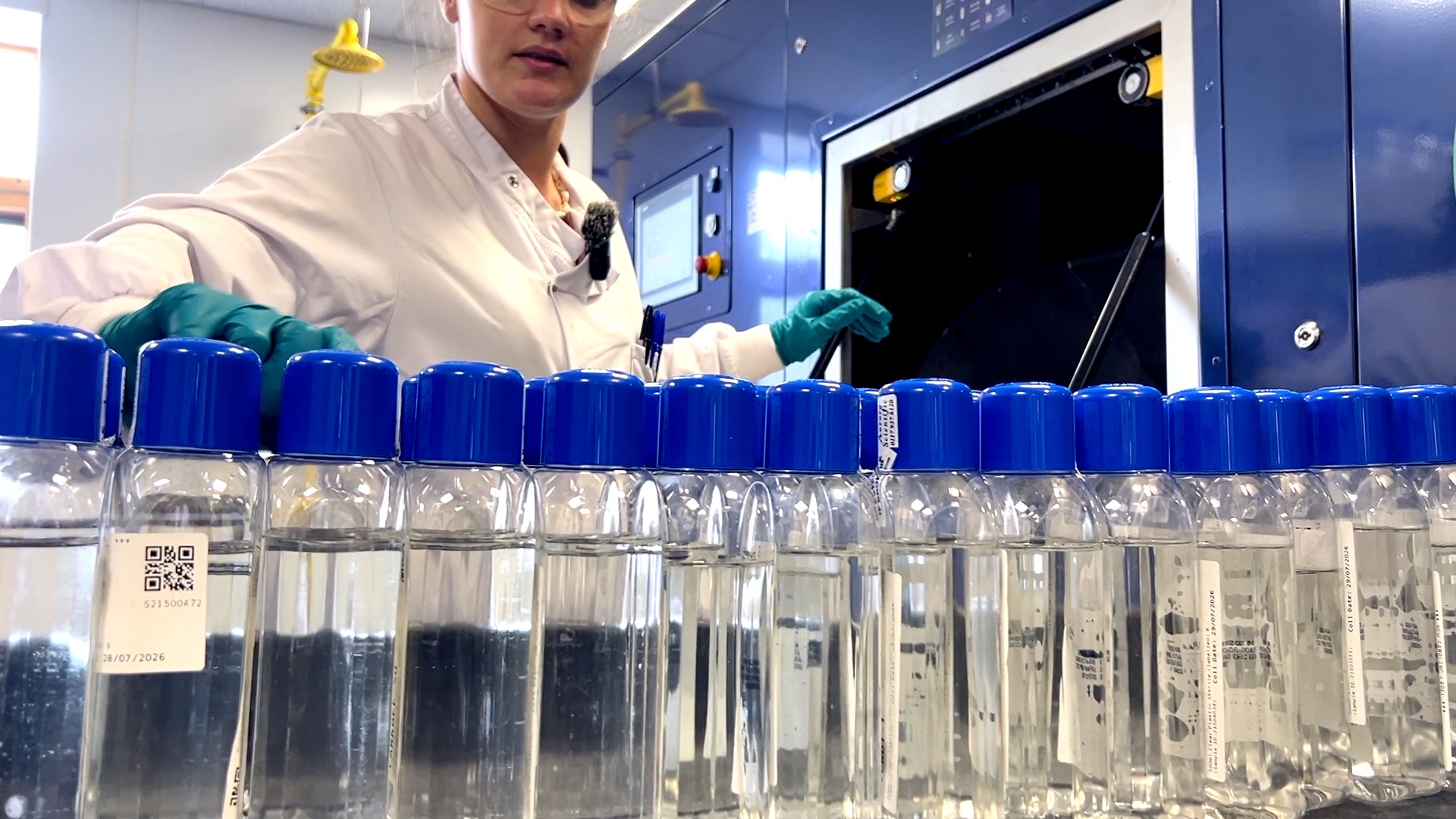
- Scottish Water's Scientific Services team has processed roughly 72,000 sample bottles using Envetec Sustainable Technologies' Generations technology.
- The Generations system simultaneously disinfects and shreds lab plastics on site via a chemical process, after which the treated material can be prepared for recycling. Envetec CEO Malcolm Bell said Generations is helping laboratories treat selected waste streams on site, capture useful operational data and support "meaningful material recovery".
- Potentially contaminated lab plastics previously had to be autoclaved, a process using high-pressure steam to sterilise laboratory waste, and even after treatment some could not be recycled and had to be sent to landfill or incinerated.
- Scottish Water carries out about three million analytical tests every year at labs in Edinburgh, Inverness and other locations across the country, using them to monitor water quality, protect public health and safeguard the environment.
- Meeting strict testing standards requires large amounts of sterile, single-use plastic, which makes the Scientific Services team the company's largest producer of plastic waste.
Compiled by The Product DeskSomething wrong?How this is made
Why it matters
Scottish Water's Scientific Services team has processed roughly 72,000 sample bottles through Envetec Sustainable Technologies' Generations system, which disinfects and shreds contaminated laboratory plastics on site using a chemical process [1][2]. That matters because "potentially contaminated" has been the standard terminal category for lab plastic: before this, such material had to be autoclaved with high-pressure steam, and even then some of it could not be recycled and went to landfill or incineration [3].
The scale explains the motive. Scottish Water runs about three million analytical tests a year at labs in Edinburgh, Inverness and other sites to monitor water quality and protect public health [4]. Meeting the testing standards requires large volumes of sterile single-use plastic, which makes Scientific Services the utility's largest single producer of plastic waste [5]. Elise Cartmel, the utility's net zero general manager, put it plainly: the tests rely on single-use plastics [6]. Uncontaminated bottles were already being recycled [7]; the contaminated fraction was the part with no route out.
Set the 72,000 bottles against three million tests and the treated stream looks modest, on the order of a few percent even if you assume one bottle per test [8]. The more consequential move is category expansion. Scottish Water has extended the process to microbiological plastics including Petri dishes and pipette tips, items that previously could not be recycled because of potential contamination [9]. Once a biohazard-labelled Petri dish is a feedstock rather than a disposal problem, the argument that lab waste is simply unrecyclable stops being a technical statement and becomes a procurement choice.
The published account stops short of the finish line, though. It describes material that is suitable for recycling and can be prepared for recycling, and Envetec chief executive Malcolm Bell says Generations supports "meaningful material recovery" [10][2]. There is no tonnage, no named reprocessor or offtake destination, and no stated period over which the 72,000 bottles were handled [11]. The system's own data capture is similarly hedged: it logs waste volumes, material and polymer types, lab sources, downstream pathways and indicative emissions savings [12]. Indicative is not verified.
What is claimed with more confidence is operational. Scottish Water says the approach reduces reliance on autoclaving, incineration and landfill, and lowers the associated energy and water use [13]. It also cuts the time staff spend manually handling sample bottles and reduces the number of plastic recycling collections required [14], and the utility says the logged data improves traceability and reporting and helps identify further waste streams that could be treated the same way [15]. Those are the numbers a lab manager can actually check against a budget line.
Scotland's public water utility is described as the first in the world to adopt the technology for this purpose [16], which means there is no comparator yet. Watch for a second adopter, ideally a pharmaceutical or clinical lab with a heavier microbiological load than a water utility. Watch for the polymer data to be published rather than logged, because material and polymer type reporting is what tells a recycler whether shredded lab plastic is worth buying [12]. And watch whether the indicative emissions savings are ever replaced with audited figures [12].
Loading topic controls
Loading related stories