Loading today’s stories
Invest1 distinct publisher3 min readUpdated
Bank Indonesia's succession is settled before parliament votes on it
Destry Damayanti is the only nominee for governor, with a fit-and-proper test on August 13 and a plenary vote expected a day later. The rupiah has already drawn its conclusion.
The Investor · Invest desk
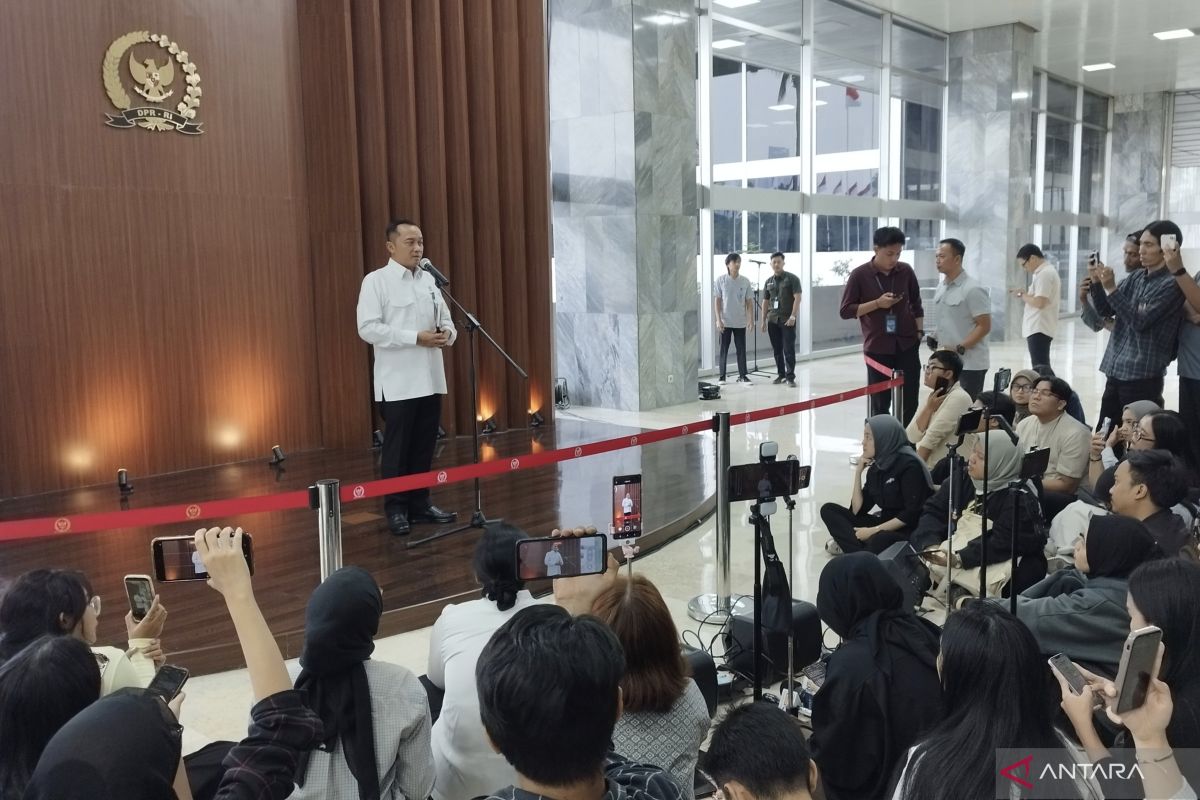
What happened
- President Prabowo Subianto nominated Destry Damayanti as the sole candidate for governor of Bank Indonesia on August 10, positioning her to become the first woman to permanently lead the central bank.
- A parliamentary fit-and-proper test for the nominee is scheduled for August 13.
- A plenary vote on the nomination is expected on August 14.
- Perry Warjiyo had served as governor of Bank Indonesia since May 2018.
- No central bank chief candidate has been rejected by Indonesia's parliament since 2008.
Compiled by The InvestorSomething wrong?How this is made
Why it matters
President Prabowo Subianto nominated Destry Damayanti on August 10 as the sole candidate for governor of Bank Indonesia [1], and parliament has set her fit-and-proper test for August 13 with a plenary vote expected the following day [2][3]. One name, four days from nomination to vote [1]: monetary policy in Southeast Asia's largest economy is effectively decided before the ballot is cast.
The base rate supports that reading. No central bank chief candidate has been rejected by Indonesia's parliament since 2008 [5], which given that Damayanti was reappointed senior deputy governor in 2024 means an unbroken run of at least sixteen years of confirmations [4]. Pair that record with a single-candidate slate [1] and the hearing becomes a formality with a transcript.
The continuity is institutional, not just procedural. Damayanti joined Bank Indonesia as senior deputy governor in 2019 [8], was reappointed to that role in 2024 [9], and has been running the bank as acting governor since Perry Warjiyo's departure [6]. Warjiyo, governor since May 2018, resigned on July 27, with personal reasons given as the explanation [4][7]. She was the acting governor for fourteen days before the nomination that would make the job permanent [2]. Before the central bank, she was chief economist at Bank Mandiri, one of Indonesia's largest state-owned banks [10].
Markets read it the same way. The rupiah strengthened on news of her candidacy [11], which is the price action of an investor base pricing out disruption rather than pricing in a new policy regime. That is the useful signal here: nothing in the nomination points to a change of direction, because the nominee has been inside the policy-setting seat since 2019 and in the chair itself since late July [8][6].
The historic element is real and worth stating plainly. Bank Indonesia was founded in 1953 [12], and Damayanti would be the first woman to lead it permanently [1][12]. The publisher frames this as a milestone 73 years in the making [13]. Indonesia is a G20 economy with a population above 270 million [14], and women remain underrepresented in its senior economic posts [15]. But this is not a symbolic appointment dropped in from outside the institution: she moved up through the deputy ranks and into the acting role when it opened [8][9][6], which is why the succession looks boring from a market seat and consequential from a representation one.
What to watch: the August 13 fit-and-proper test [2] is the only scheduled public window before the vote in which she might say something about rates, the currency, or the bank's relationship with a president who nominated her unopposed [1]. Second, whether the plenary vote actually lands on August 14 [3], since slippage would be the first genuine information in this process. Third, whether the "personal reasons" account of Warjiyo's exit [7] gets filled in after his successor is confirmed, as opposed to before.
Loading claim ledger
Loading source directory links
Loading share composer
Loading topic controls
Loading related stories