Loading today’s stories
Invest1 distinct publisher3 min readUpdated
Hyundai union stands down one walkout, keeps the next: 120 idle line-hours and counting
The walkout set for the 24th is off and a 17th bargaining round is on at Ulsan. The one booked for the 25th is not, and the hardest demands on the table are the ones that cannot be split.
The Investor · Invest desk
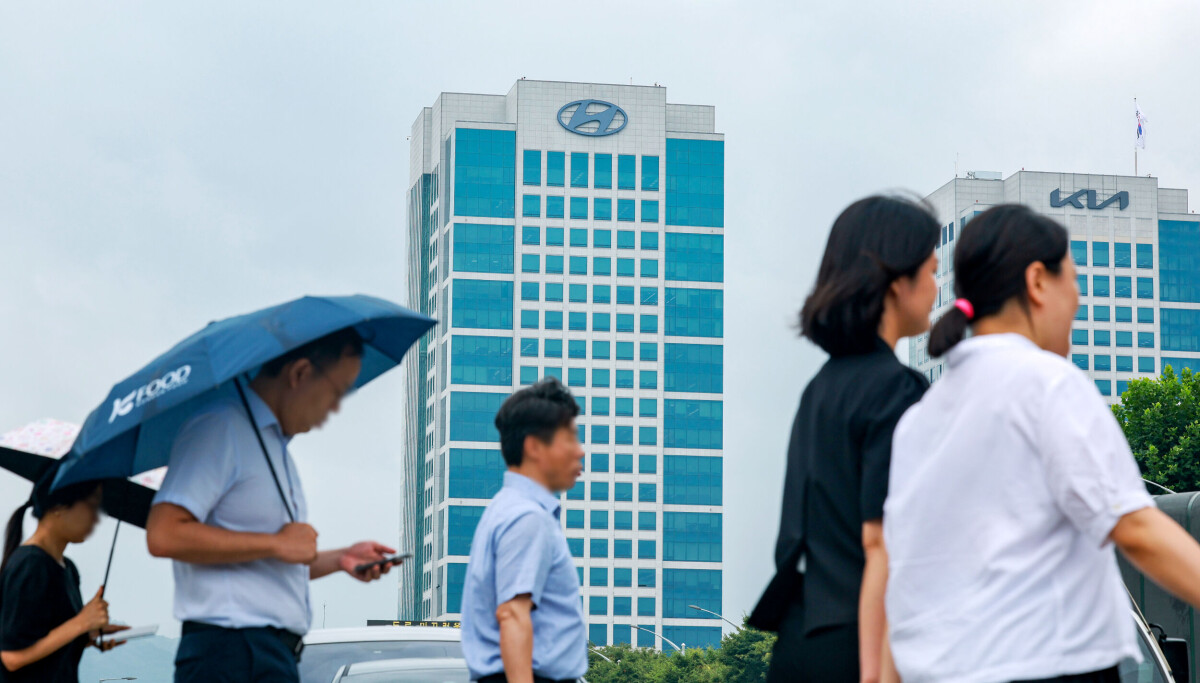
What happened
- Hyundai Motor's labor union agreed to suspend a strike scheduled for the 24th and resume wage negotiations with management.
- Hyundai Motor and its union said on the 23rd that they would hold their 17th round of talks at the Ulsan plant on the 24th.
- The union will forgo its planned four-hour partial strike on the 24th, one of two four-hour walkouts scheduled for the 24th and 25th; whether the remaining strike goes ahead depends on the outcome of the renewed talks.
- The two sides remain sharply at odds over this year's pay raise, a proposed 50% increase in bonuses, the reinstatement of union members dismissed for illegal acts during past union activities, and an extension of the retirement age.
- After talks stalled following an initial meeting on May 6, the union began staging intermittent partial strikes of two to six hours from the 13th of last month.
Compiled by The InvestorSomething wrong?How this is made
Why it matters
The strike log understates the stoppage by exactly half, and the reason is shift structure: production workers' morning and afternoon shifts walk out separately, so 60 cumulative strike hours translate into 120 hours of halted line [7]. Set that against the industry's estimate of about 55,200 vehicles affected [8], and the implied rate is roughly 460 vehicles per idle line-hour [1]. A single four-hour partial walkout taken by both shifts is therefore worth about 3,700 units [2]. That is the arithmetic behind the strike the union has left standing for the 25th [3].
The money is the easier half of the table. A pay raise and a 50% increase in bonuses are numbers, and numbers meet somewhere in the middle [4]. The other two items do not behave that way: reinstating members dismissed for illegal acts during past union activities, and extending the retirement age, are both precedents that outlive the contract they are written into [4]. A concession on either is permanent, which helps explain why the 16 rounds held since the May 6 opening session produced nothing [3][5].
Hyundai's exposure is concentrated in timing rather than volume. It has lined up its first batch of new models in six years, a full-redesign Tucson and Genesis's first hybrid [9], and says the schedule will keep slipping as long as the walkouts continue [10]. Lost output is a scheduling problem that overtime can chew through. A launch that lands late is a market problem, and there is no shift pattern that fixes it.
The read-across is why one meeting at Ulsan is being watched from outside Hyundai [14]. Kia's union is asking for a 149,600-won base pay increase, performance bonuses equal to 30% of last year's operating profit, a 4.5-day workweek and a retirement age of 65 [12], and has proposed partial walkouts from the 26th through the 28th, which would end a stretch without labor disputes running from 2021 through last year [11]. An industry official quoted by Seoul Economic Daily said that if the Hyundai talks find a thread of progress, Kia's two sides could reschedule, and that the Kia union's position is that it could postpone or cancel its strike plans once a negotiating date is fixed [13]. On that account, the gating item for two automakers' output is whether one 17th session goes well enough to buy a date in a diary.
Note what the union did not do on the 23rd. It cancelled the cheaper of the two remaining walkouts and kept the second [3], which means management arrives at the table with the meter still running and the eight-hour full-scale strike of the 21st, the first in a decade, as the demonstrated ceiling [6].
Loading topic controls
Loading related stories